Coffee Grounds for Houseplants: Benefits, Best Uses, and Top Plants
You can reuse your morning coffee grounds to give the right houseplants a gentle nutrient and pH boost that improves soil texture and supports healthier growth. When used correctly usually composted or diluted as a tea coffee grounds add nitrogen, help acid-loving plants, and can improve drainage without harming most indoor plants.
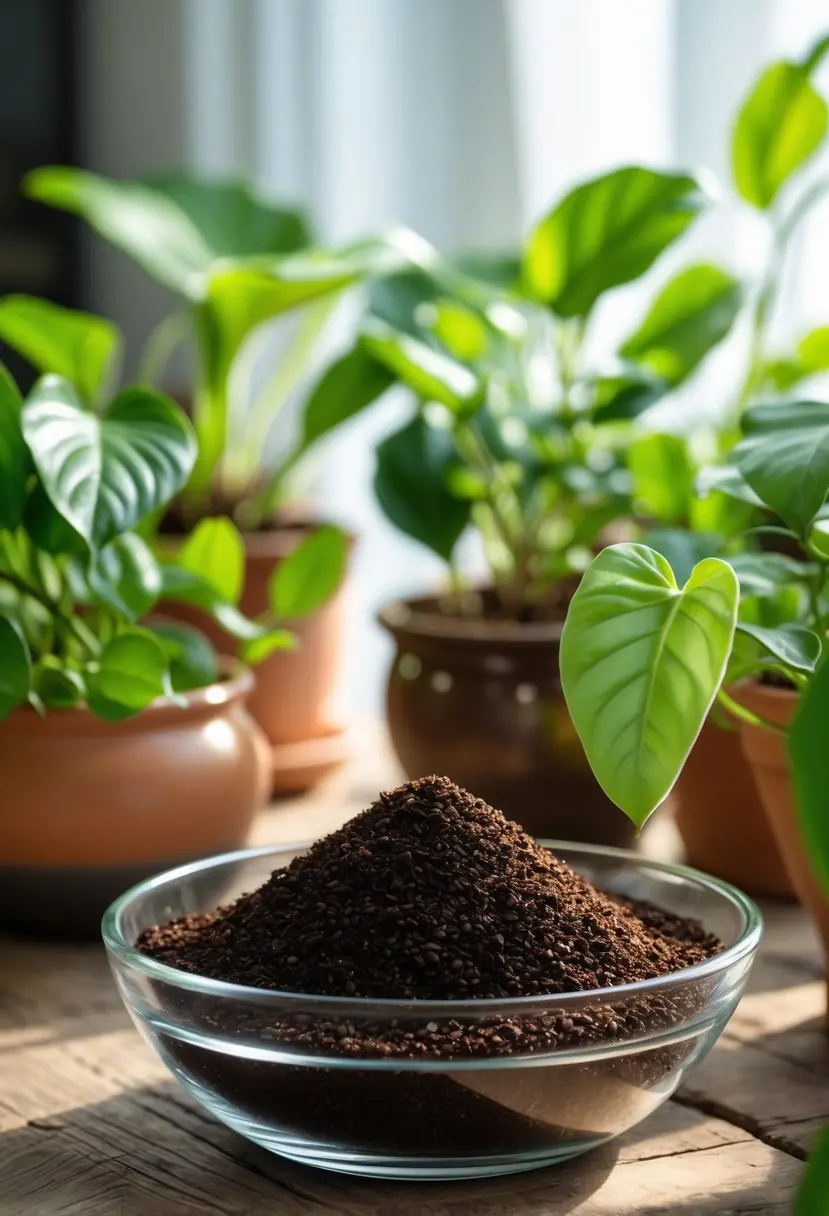
This post shows which houseplants actually benefit, which ones to avoid, and simple, safe methods you can use (from sprinkling and mixing into potting mix to brewing a quick coffee-ground tea). Expect practical tips for matching the right technique to your plant’s needs and simple troubleshooting for common mistakes.
Contents
Benefits of Coffee Grounds for Indoor Plants
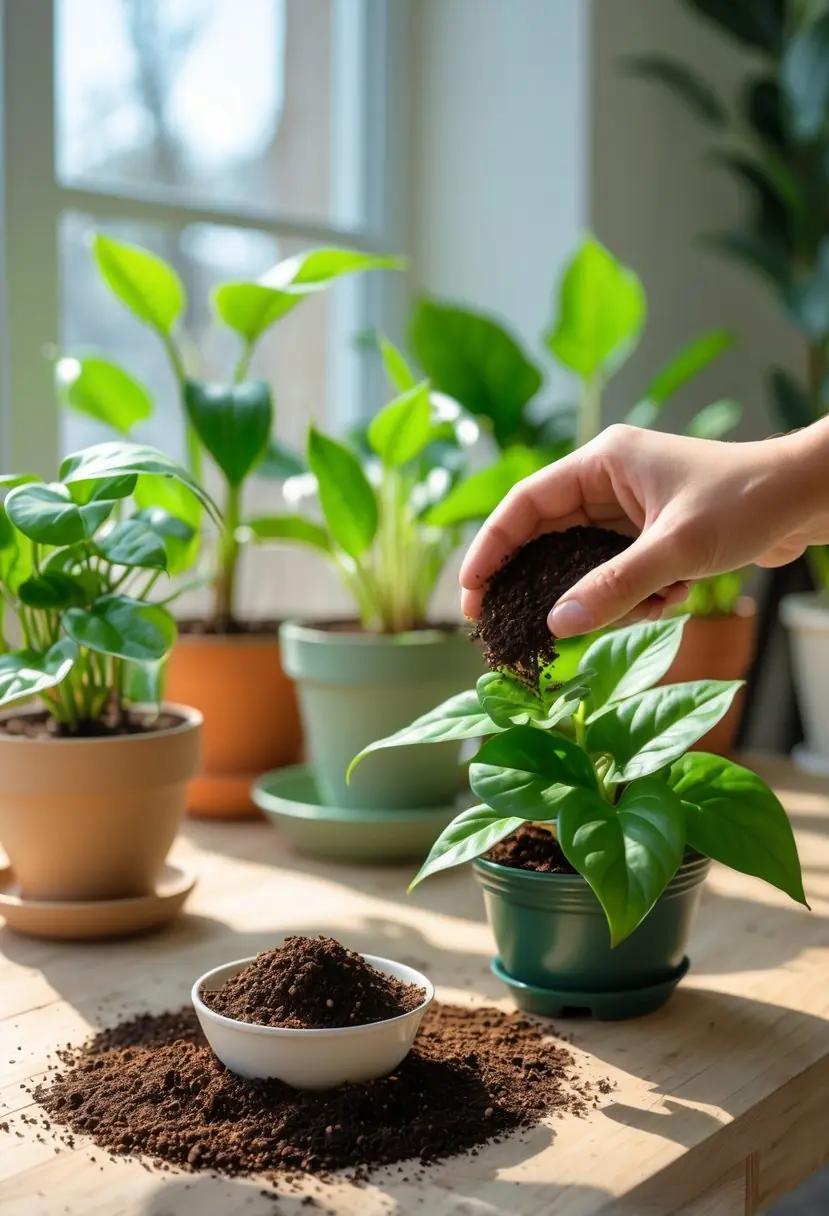
Coffee grounds add usable nutrients and improve soil structure while also offering microbial and pest-related benefits. They act as a slow-release organic amendment that changes how water and air move through your potting mix and can affect the soil community around roots.
Nutrient Content and Soil Improvement
Used coffee grounds contain measurable amounts of nitrogen, plus smaller quantities of phosphorus and potassium nutrients your plants use for leaf and root growth. When you add grounds sparingly or compost them first, those nutrients become available slowly rather than as a sudden chemical spike.
Grounds contribute organic matter that improves soil texture. A thin, mixed-in layer helps retain moisture and increases aeration in dense potting mixes. Avoid piling wet grounds on the soil surface because they can compact and form a crust that repels water. Aim to mix grounds into the top inch of soil or blend them into finished compost at roughly 5–20% by volume to avoid overfeeding.
Microbial and Pest Control Advantages
Coffee grounds feed beneficial microbes that help break down organic matter and convert nutrients into forms plants can use. Composting grounds first encourages bacterial and fungal activity that stabilizes nitrogen and reduces the risk of “fresh” grounds tying up nutrients.
Certain compounds in spent coffee like residual caffeine and diterpenes can deter pests such as slugs, ants, and fungus gnats when you use grounds as a thin perimeter barrier. Use them sparingly for pest control: a light ring of dried grounds around the pot helps, but thick layers can attract mold or create anaerobic spots. Mixing grounds into compost or soil keeps microbial balance healthy and reduces pest-attracting residues.
Choosing Houseplants That Benefit From Coffee Grounds
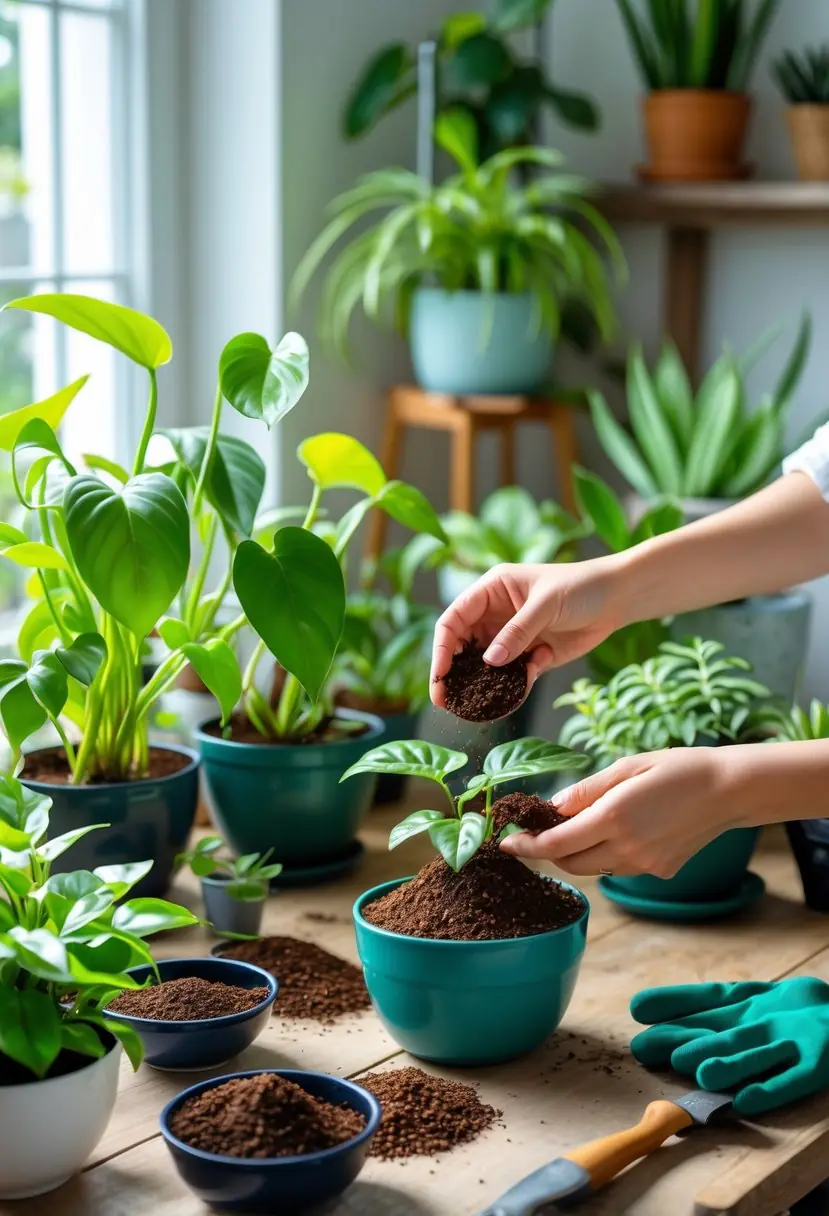
Used coffee grounds can slightly lower soil pH, add nitrogen and organic matter, and improve texture when composted or diluted. Choose plants that prefer mildly acidic, well-draining soil and avoid heavy, fresh applications that can compact or burn roots.
Acid-Loving Plants and Their Preferences
Acid-loving plants prefer a soil pH roughly between 5.0 and 6.5. Examples include azaleas, African violets, and many ferns. These species often need regular access to iron and manganese, which become more available in slightly acidic conditions.
You should apply coffee grounds sparingly and preferably composted. Fresh grounds can be acidic but also retain caffeine and can compact, so mix them into potting mix or use as part of compost or a weak “coffee ground tea.” Test soil pH if you rely on grounds long-term.
Monitor for leaf yellowing (iron chlorosis) or stunted growth; those can improve with modest, consistent acidifying amendments but worsen if you overapply grounds.
Popular Houseplants That Respond Well
Several common houseplants take measurable benefit from well-used coffee grounds: peace lilies, philodendrons, pothos, spider plants, and snake plants. These plants appreciate the nitrogen boost and improved organic content in the root zone.
Use grounds as:
- A thin top-dressing (mixed into the top 1 inch of soil),
- A component of potting soil (about 5–10% volume), or
- Composted first or brewed into tea and diluted (1:10 water ratio).
Apply no more than once every 4–8 weeks during active growth. Watch for improved leaf color and steadier new growth; stop if you see mold, slow drainage, or leaf burn.
Plants That Should Avoid Coffee Grounds
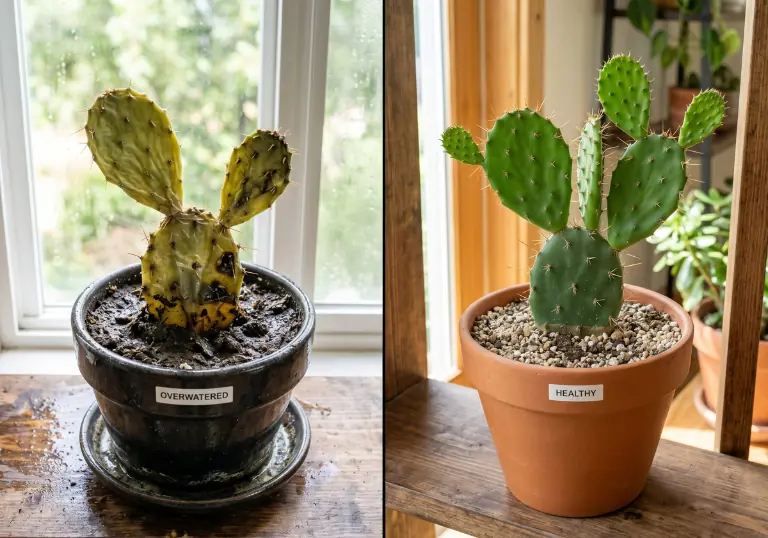
Some houseplants dislike added coffee grounds or the conditions they create. Succulents with very low nutrient needs (e.g., echeveria), cacti, and many orchids prefer neutral to alkaline, fast-draining media and can suffer from retained moisture or increased acidity.
Avoid using grounds directly in pots for:
- Cacti and succulents,
- Orchids and other epiphytes,
- Seedlings and very young transplants (sensitive roots).
If you still want to recycle grounds, compost them first or use diluted coffee-ground tea outdoors. Never pile fresh grounds against stems or roots; that risks root rot, insect attraction, and nutrient imbalances.
How to Use Coffee Grounds Safely and Effectively
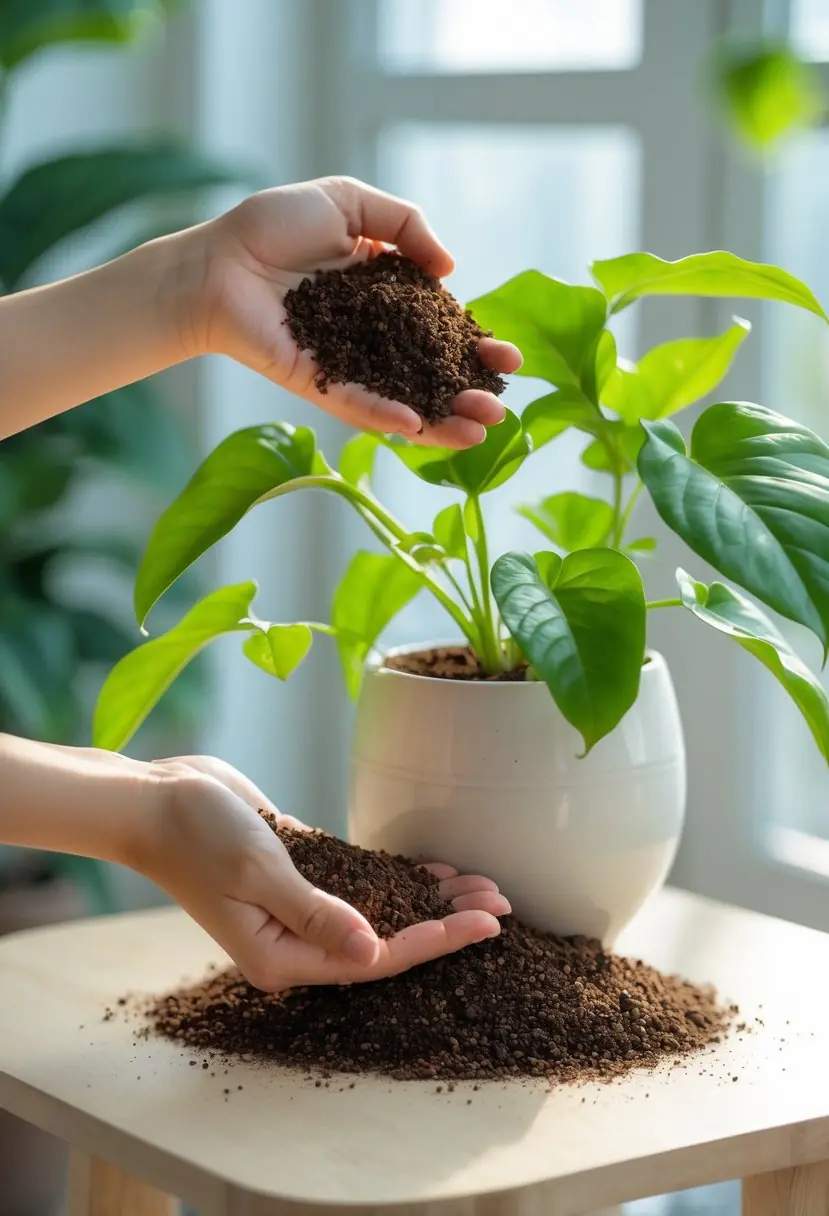
Use small amounts, prefer composted grounds, and watch plants for stress. Apply sparingly to avoid nutrient imbalance, and use grounds mainly as a supplement to a balanced fertilizer.
Preparing and Applying Coffee Grounds
Collect only plain, brewed coffee grounds; avoid flavored or creamer-tainted leftovers. Let used grounds dry for a day or two in an open container to limit mold and odor before applying.
For direct application, sprinkle a thin layer (no more than 1/4 inch) around the pot edge and gently work it into the topsoil. Lightly mix into the top 1–2 inches of soil to prevent a compacted mat that blocks water and air. Use this direct method no more than once every 2–4 weeks.
If you prefer liquid feed, steep 1 cup of used grounds in 1 gallon of water for 24 hours, strain, and dilute this “coffee water” 1:3 with plain water. Apply only during the growing season and skip during dormancy.
Using Composted Coffee Grounds and Blending Techniques
Compost transforms used coffee grounds into a stable, nutrient-rich amendment that integrates safely with potting mixes. Add grounds to your compost at about 10–20% of the pile by volume and balance with brown materials (dry leaves, paper, cardboard) to reach a good carbon ratio.
When finished, blend composted coffee into potting soil at up to 10–20% by volume for most houseplants. For heavy feeders (e.g., peace lilies, flowering indoor plants) you can increase to 25% but monitor plant response. Mix thoroughly to produce a balanced fertilizer effect rather than a concentrated nitrogen dose.
In worm bins, feed small amounts gradually; worm castings with coffee residues are excellent for potted plants. Label mixes and keep records of ratios so you can replicate blends that work.
Signs of Overuse and How to Avoid Issues
Watch for yellowing leaves, brown leaf tips, slowed growth, or wilting after applying grounds; these can indicate nitrogen imbalance, salt buildup, or poor aeration. If you see these signs, stop adding grounds and flush the pot with water to leach excess salts.
Avoid mats or crusts on the soil surface by mixing grounds in or using them only thinly. Rotate feeding methods composted amendment one month, diluted coffee water the next to reduce buildup. Do not rely solely on coffee grounds: provide a balanced fertilizer per label directions once every 4–8 weeks during active growth to supply phosphorus and potassium.
Maximizing Results With Different Coffee Grounds Techniques
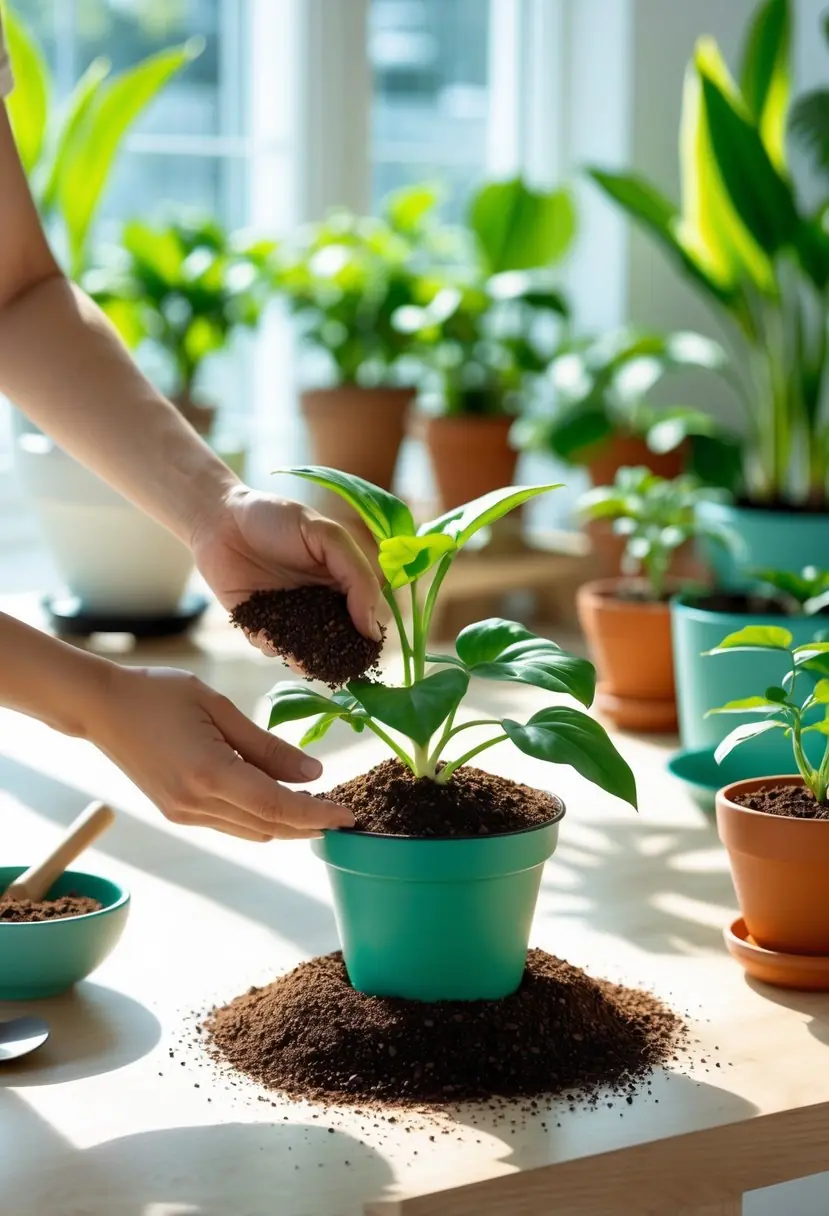
Use coffee grounds either directly or mixed into compost to supply nitrogen-rich organic matter and improve soil texture. Match the method to the plant’s needs, pot size, and watering routine to avoid clumping, nutrient imbalance, or pest issues.
Direct Application vs. Compost Integration
Direct application works best when you use small amounts of used coffee grounds only. Sprinkle a thin, even layer (no more than 1/4 inch) around the pot rim and lightly mix into the top 1 inch of soil. Water immediately to prevent a dry crust and to help distribute nutrients. Avoid fresh, wet grounds; they can compact, create a mat, or temporarily lock up nitrogen.
Compost integration produces safer, longer-lasting benefits. Add grounds to your compost at roughly 20% of the mix by volume, balanced with carbon-rich browns (paper, dry leaves) to prevent odor and excess acidity. Fully composted grounds supply nitrogen and organic matter without the clumping risk and release nutrients steadily during the growing season. Use finished compost as a top-dress or mix 10–20% into potting mix for repotting.
Best Practices for Specific Plant Types
For acid-loving plants (azaleas, African violets, some bromeliads), you can use coffee-amended compost regularly during spring and summer. Apply compost as a thin top-dress every 4–6 weeks or mix 10% compost into the potting medium at repotting. Monitor leaf color and growth rather than pH strips; overuse can stress sensitive species.
For heavy feeders and large foliage plants (peace lilies, pothos, spider plants), small direct applications plus monthly compost feedings work well. Use direct grounds sparingly—no continuous thick layers—and supplement with a balanced fertilizer during active growth for phosphorus and potassium.
For succulents, cacti, and plants that prefer poor, fast-draining soil (jade, aloe), avoid direct grounds and limit compost to small amounts (5–10%) mixed into the potting mix. Excess organic matter retains moisture and can cause root rot.
For pest control, create a narrow ring of used grounds around the pot edge to deter ants and slugs, but avoid piling grounds against stems to prevent fungal issues.
Frequently Asked Questions
Used coffee grounds give nutrients and organic matter but can compact, create mold, or attract pests if added directly. Composting or mixing small amounts into potting mix prevents these problems while still returning nitrogen, potassium, and micronutrients to your plants.
How should used coffee grounds be applied to indoor potting soil without causing mold or pests?
Compost the spent grounds first. Add them to your kitchen compost or a compost bin for several weeks until they break down into a crumbly, soil-like material.
Mix finished composted coffee grounds into potting mix at up to 20–30% by volume. Work the compost into the potting soil rather than laying a thick layer on the surface to avoid compaction and moisture trapping.
If you skip composting, sprinkle only a thin layer (no more than 1/8 inch) and lightly mix it into the top inch of soil. Allow pots to dry between waterings to reduce mold risk and remove any visible fungus promptly.
Collect and store used grounds in a sealed container in the fridge or dry them before use to prevent insect attraction. Avoid fresh, wet grounds as a mulch; they compact easily and can attract gnats and other pests.
How often can coffee grounds be used on potted plants without making the soil too acidic?
Use composted coffee-ground compost as an amendment one to two times per year for most houseplants. Blend it into the potting mix during repotting or top-dress with a thin layer after repotting.
If you feed with a liquid made from coffee grounds, avoid using brewed-ground “tea” regularly; it offers weak nutrients and can alter moisture and microbial balance. Monitor plant health and soil pH if you treat acid-loving species differently.
For monthly feeding, rely on balanced houseplant fertilizer instead of raw grounds. Reserve coffee-ground compost for occasional soil improvement rather than a routine fertilizer.