How Often Should You Water a Cactus Plant? : Complete Indoor Care Guide
Most cacti need water only when their potting mix is completely dry typically every 2–6 weeks in growing season and far less in winter so check the soil rather than follow a strict calendar. Water deeply but infrequently: soak the soil until water drains, then let it dry out completely before watering again.
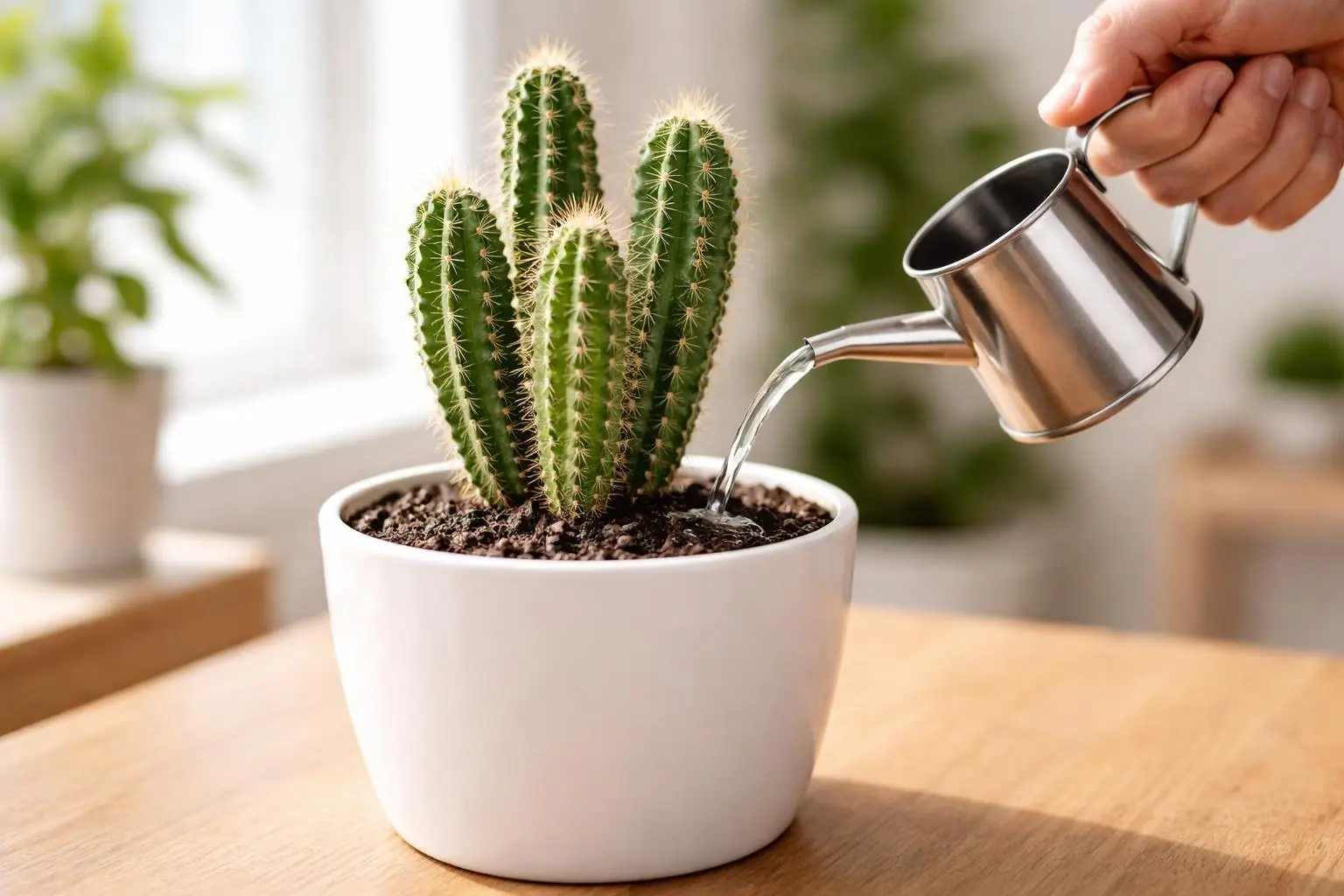
You’ll learn what affects that timing (pot size, species, season, light, and temperature), how to spot over- and underwatering, and simple techniques to avoid root rot. Follow the practical tips ahead to match your watering to your cactus’s needs and keep it healthy with minimal fuss.
Contents
Understanding Cactus Watering Requirements
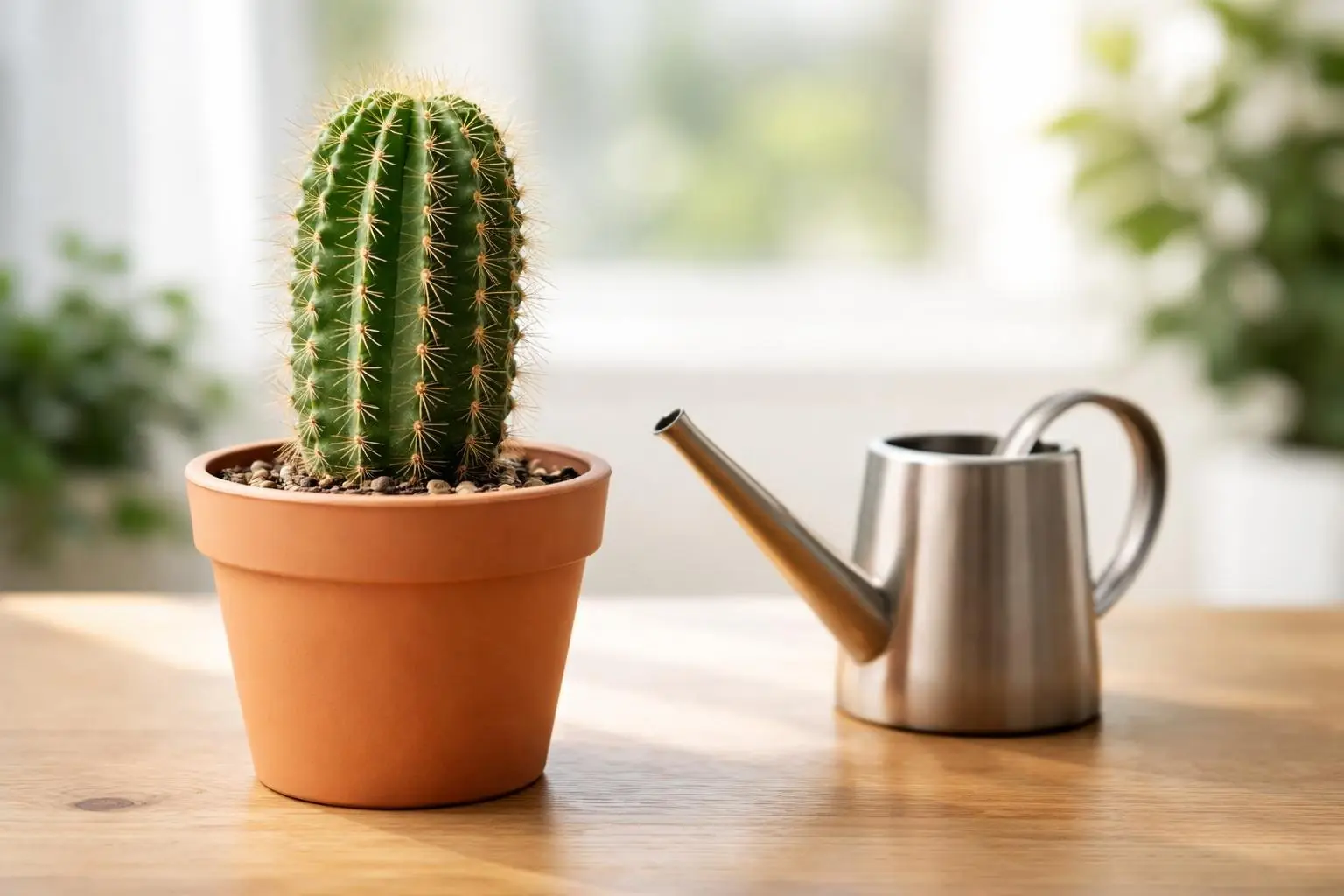
Cacti need infrequent, deep watering when the root zone is dry, modified by species, pot size, season, and environment. You’ll water less in cool, low-light periods and more during active growth and hot, bright conditions.
Key Factors That Affect Watering Frequency
Soil mix and drainage determine how quickly your pot dries. Use a fast-draining cactus mix (sharp sand, perlite, or pumice) and a pot with drainage holes; moisture should exit within a few hours after watering to avoid root rot.
Light and temperature drive water loss. A cactus in bright, south-facing light at 24–30°C will use water much faster than one in 12–15°C or low light. Measure soil moisture rather than following a calendar.
Plant size and container volume matter. Small pots dry out quickly; seedlings and small globular cacti need water more often than large columnar specimens. Outdoor, planted-in-ground cacti rely on rainfall and rarely need supplemental watering in wet climates.
Species differences are crucial. Some cacti (e.g., epiphytic Rhipsalis or Schlumbergera) require more frequent, lighter watering and higher humidity, while desert columnar and barrel cacti tolerate long dry spells.
Cycle of Active Growth and Dormancy
Most desert cacti grow actively from spring through early fall. During this period you should check soil weekly and water deeply when the top 2–5 cm (1–2 in) of soil is dry. Water until it drains, then let the root ball dry before the next cycle.
In winter many species enter dormancy and need little to no water. Reduce watering to monthly or stop entirely for large specimens kept at cool temperatures (8–15°C). Keep seedlings slightly more moist but avoid constantly wet media.
Adjust for greenhouse or indoor conditions. If you keep your cactus warm and brightly lit all year, growth may persist and require a watering schedule closer to the active period. Always base actions on soil moisture, not dates.
Cactus Water Storage Adaptations
Cacti store water in stems, tubercles, or pads; this lets them survive long dry spells. When you see a plump stem, the plant has adequate reserves; wrinkling indicates dehydration. Learn each species’ normal form to avoid misreading signs.
Succulent tissues also influence how quickly plants rehydrate. Thick, columnar cacti rehydrate slowly and benefit from deep, infrequent soakings. Thin-stemmed or epiphytic types absorb water faster and need lighter, more frequent watering.
Root structure affects watering strategy. Shallow, fibrous roots of many desert cacti absorb quick rains and then rest; deep-rooted species may take up moisture over longer periods. Match your watering technique (top-watering vs. brief bottom soak) to the root habit.
Best Practices for Watering Cacti
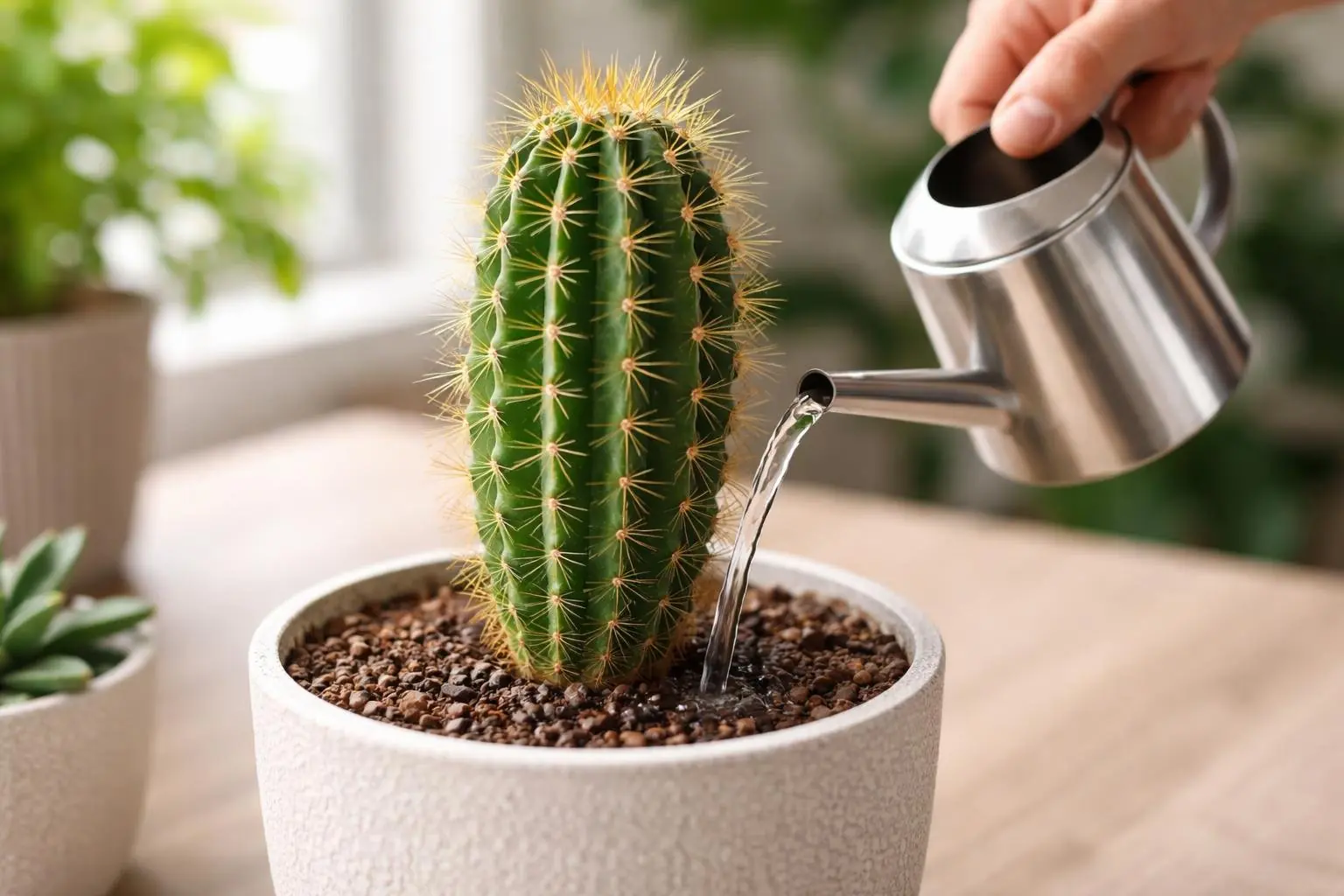
Water cacti deeply but infrequently, letting the potting mix dry fully between waterings. Match your routine to pot size, soil mix, and seasonal growth: younger plants and larger pots dry at different rates.
Deep Watering Versus Shallow Watering
Deep watering soaks the whole root zone; shallow watering wets only the surface. For potted cacti, aim to water until excess runs from the drainage hole so all roots get moisture. This encourages strong, deep roots and reduces the frequency you need to water.
Shallow, frequent watering promotes weak, surface roots and raises the risk of rot because the soil stays damp. Use a saucer or sink to flush the pot completely if you have limited drainage, but always let the pot drain fully afterward. Check that the soil is dry 1–2 inches below the surface before the next deep soak.
Soak-and-Dry Method
The soak-and-dry method means giving a thorough watering, then allowing the soil to dry completely before the next session. Place the pot in a sink and run water until it flows out the drainage hole, or set the pot in a shallow tray of water and let it wick up for 20–30 minutes.
After watering, let the pot sit to drain and avoid leaving it in standing water. Repeat the soak only when the top 1–2 inches of soil feel dry for small pots, or when the soil is dry deeper for larger pots. This method prevents chronic moisture and mimics natural desert pulses of rain.
Signs It’s Time to Water
Feel the soil 1–2 inches down; if it’s dry, water. For larger pots, check deeper with a wooden skewer or moisture meter to confirm dryness near the roots. Visual cues: a cactus that’s losing firmness, wrinkling, or developing dull color usually needs water.
Avoid watering when the base shows brown or black soft spots, as those indicate rot from overwatering. Also watch growth and light: actively growing, taller, or flowering cacti will need water more often than compact, dormant ones.
How Often to Water Cacti by Season
Spring and summer: water every 7–14 days for small pots and faster-drying mixes; larger pots may need water every 2–4 weeks. Increase frequency when you see active growth or new pads/spines forming.
Fall: reduce watering frequency. Check soil moisture every 2–4 weeks and only water when the soil is dry 1–2 inches down. Winter: water sparingly. Many cacti need water every 3–8 weeks or not at all if kept cool and dormant. Use lower light and cooler temperature as cues to extend dry periods.
Preventing Overwatering and Root Rot
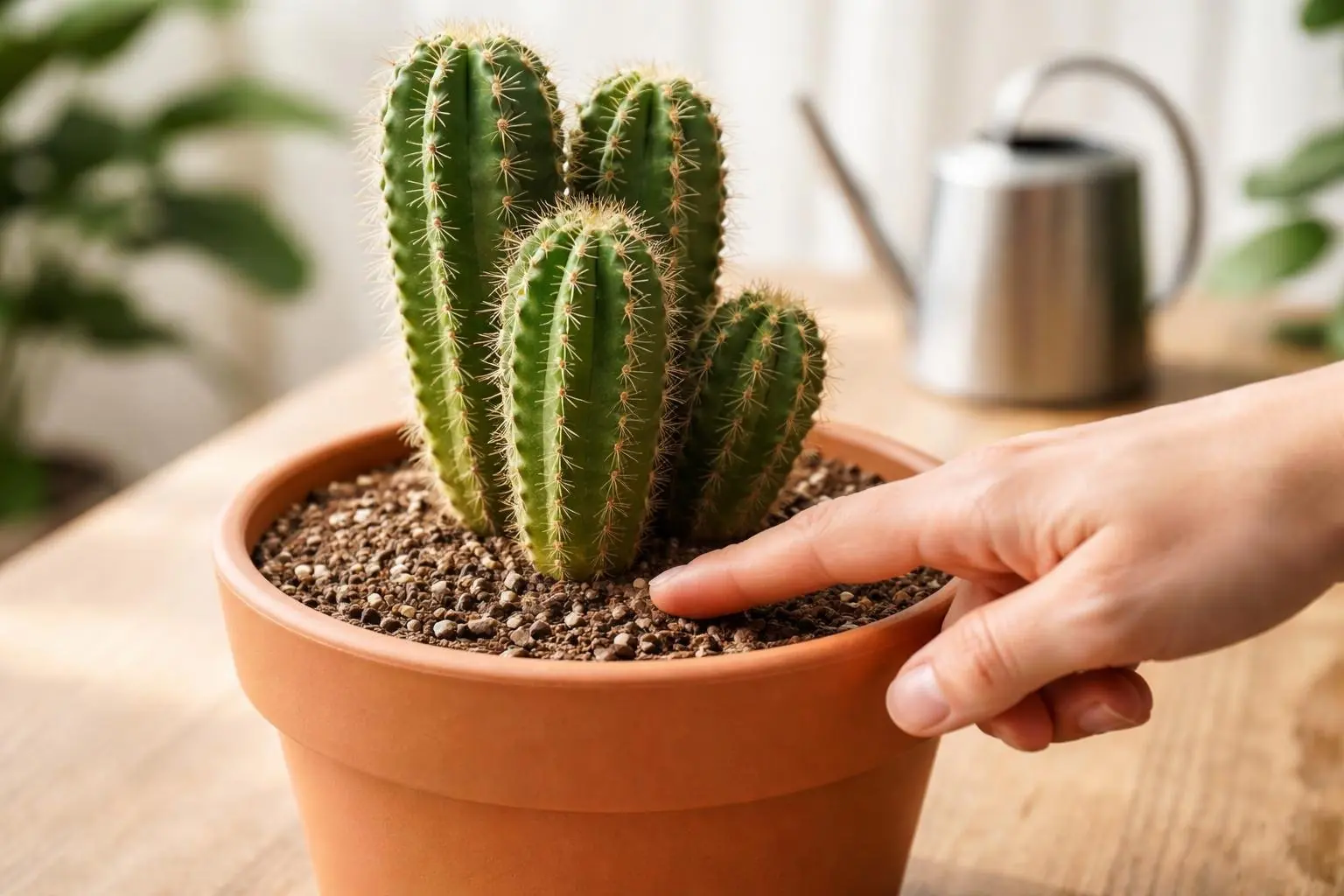
You can stop overwatering by recognizing early warning signs, changing how and when you water, and using soil and pot choices that keep roots dry between soakings. Focus on checking soil moisture, using fast-draining mixes, and adjusting frequency by season and light level.
Common Signs of Overwatering
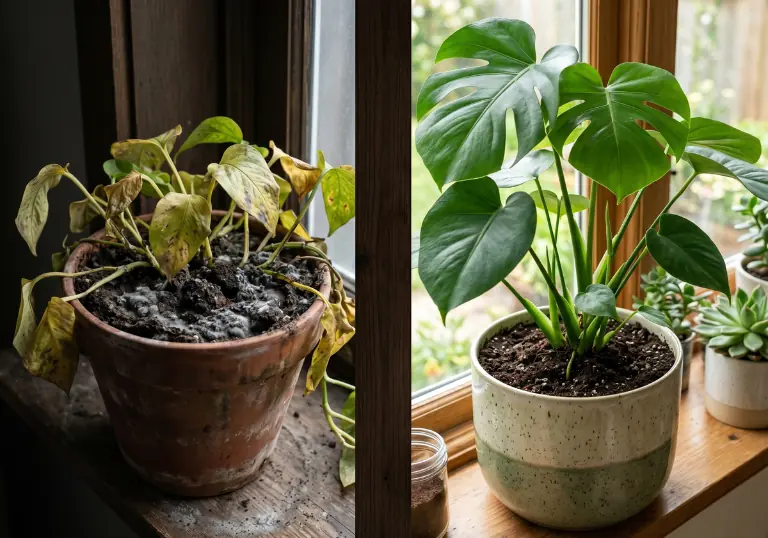
Look for soft, mushy tissue at the base or along stems; that indicates cells have burst from excess water. Brown or black blotches at the base, on pads, or around the soil line often signal rot has already started.
Yellowing or translucent skin can mean the plant is waterlogged even if it still looks plump. Watch the roots: brown, slimy, or foul-smelling roots are a clear sign of root rot. Slow growth, collapsed segments, and sudden leaning also appear as the root system fails.
Check the pot and soil, not just the plant. Constantly damp soil, water pooling in the saucer, and mold or a sour smell from the potting mix are practical, early clues you’re watering too often.
How to Avoid Overwatering
Always test soil moisture before watering. Use a moisture meter or stick your finger 2–3 inches into the mix; water only when that depth is dry.
Adopt a “soak and dry” routine: water thoroughly until it drains, then wait for the soil to dry completely. Adjust intervals seasonally more frequent in active growth (spring–summer), much less in dormancy (fall–winter).
Choose pots with drainage holes and a porous material like terracotta to speed drying. Use a coarse, fast-draining cactus mix (peat-free or with perlite, pumice, or coarse sand). When repotting, increase pot size only slightly; oversized pots hold excess moisture.
Record watering dates and environmental conditions (light, temperature) for repeatable habits. When in doubt, wait—cacti tolerate drought far better than excess water.
Techniques to Prevent Root Rot
Improve drainage at three levels: pot choice, soil mix, and watering method. Use pots with large drainage holes and a layer of coarse grit or broken terracotta at the bottom only if it improves flow. Fill with a gritty mix: 50–70% inorganic components (pumice, perlite, coarse sand) with the remainder organic.
Water methods matter. Water from the top until it flows out the drain, or bottom-soak briefly and let the pot drain fully—avoid leaving the plant sitting in water. If soil repels water, water in short pulses until it absorbs rather than one long pour.
Inspect roots during repotting: trim any dark, mushy roots and allow cuts to callus a day before repotting into fresh, dry mix. Sterilize tools and use clean pots to prevent transferring pathogens. In high-risk cases, treat exposed root crowns with a fungicide labeled for root rot before repotting.
Optimizing Pots and Soil for Healthy Cacti
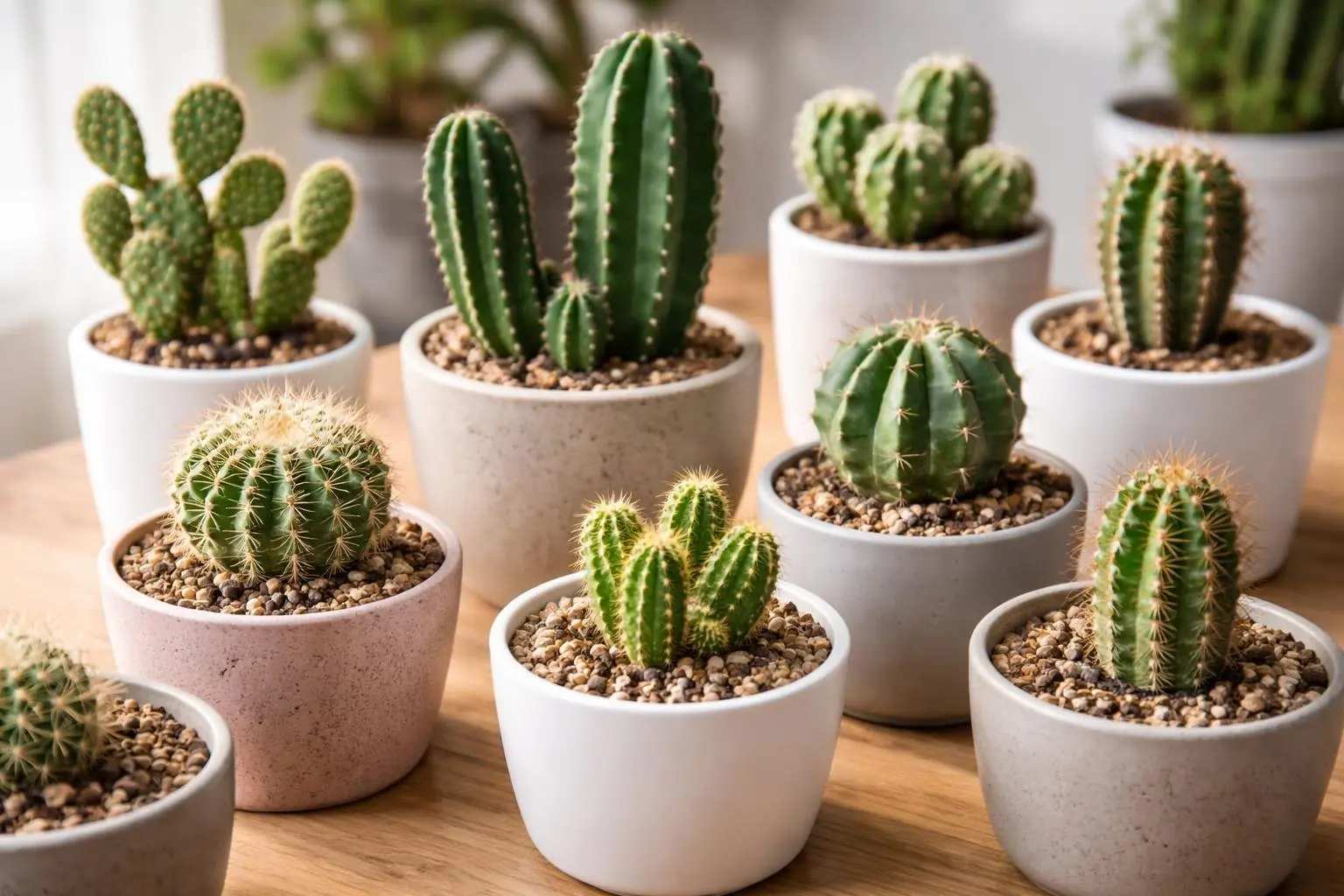
Choose a fast-draining soil mix and a pot that lets excess water escape. Use materials and watering methods that reduce sitting moisture and speed soil drying.
Choosing the Right Cactus Soil
Use a commercial cactus or succulent mix, or make your own: 40–50% coarse mineral material (pumice, perlite, or coarse sand) plus 50–60% potting soil or compost-free organic matter. The goal is high pore space so water passes through quickly and air reaches the roots.
Avoid heavy garden loam, peat-heavy mixes, or soil that compacts when wet. Those retain water and increase root-rot risk. If your mix repels water (becomes hydrophobic), soak the pot in a shallow tray until the mix rehydrates.
Amend older mixes every 1–2 years when structure breaks down. Repotting gives you a chance to inspect roots and refresh drainage materials.
The Role of Pots with Drainage Holes
Always use a pot with at least one drainage hole. It prevents water from pooling under the root ball and lowers the chance of root rot.
Match pot size to root mass; choose a container only slightly larger than the cactus rootball to avoid excess soil that holds moisture. If you must use a decorative cachepot without holes, keep the cactus in an inner pot with drainage or remove it after watering to drain.
Place pots on saucers with raised feet or use a pebble layer so excess water does not sit against the pot base. Check drainage by watering until water runs out of the hole—this confirms flow and that you’ve saturated the soil during a deep watering.
Benefits of Terracotta Pots
Terracotta breathes. Its porous walls allow moisture to evaporate through the pot, which speeds drying compared with plastic or glazed containers.
You get faster soil drying, making terracotta helpful in humid rooms or for cacti that prefer drier conditions. The weight adds stability for tall or top-heavy specimens.
Terracotta can salt-stain over time; scrub or soak pots when repotting. In very dry, heated indoor environments, terracotta may dry soil too quickly—monitor soil moisture and adjust watering frequency accordingly.
Top Watering vs. Bottom Watering
Top watering means pouring water onto the soil surface until it drains from the bottom. It ensures the entire root zone wets and flushes excess salts; use this for routine deep waterings in well-draining mixes.
Bottom watering setting the pot in a tray of water and letting soil wick up—hydrates more slowly and can help rehydrate hydrophobic mixes. Limit bottom soaking to short periods (30–60 minutes) and drain promptly to avoid prolonged wetness at the base.
Use top watering for active growth (spring/summer) to saturate the root zone. Use bottom watering sparingly to fix dry, water-repellent soil or to give a gentle drink in cooler months.
Frequently Asked Questions
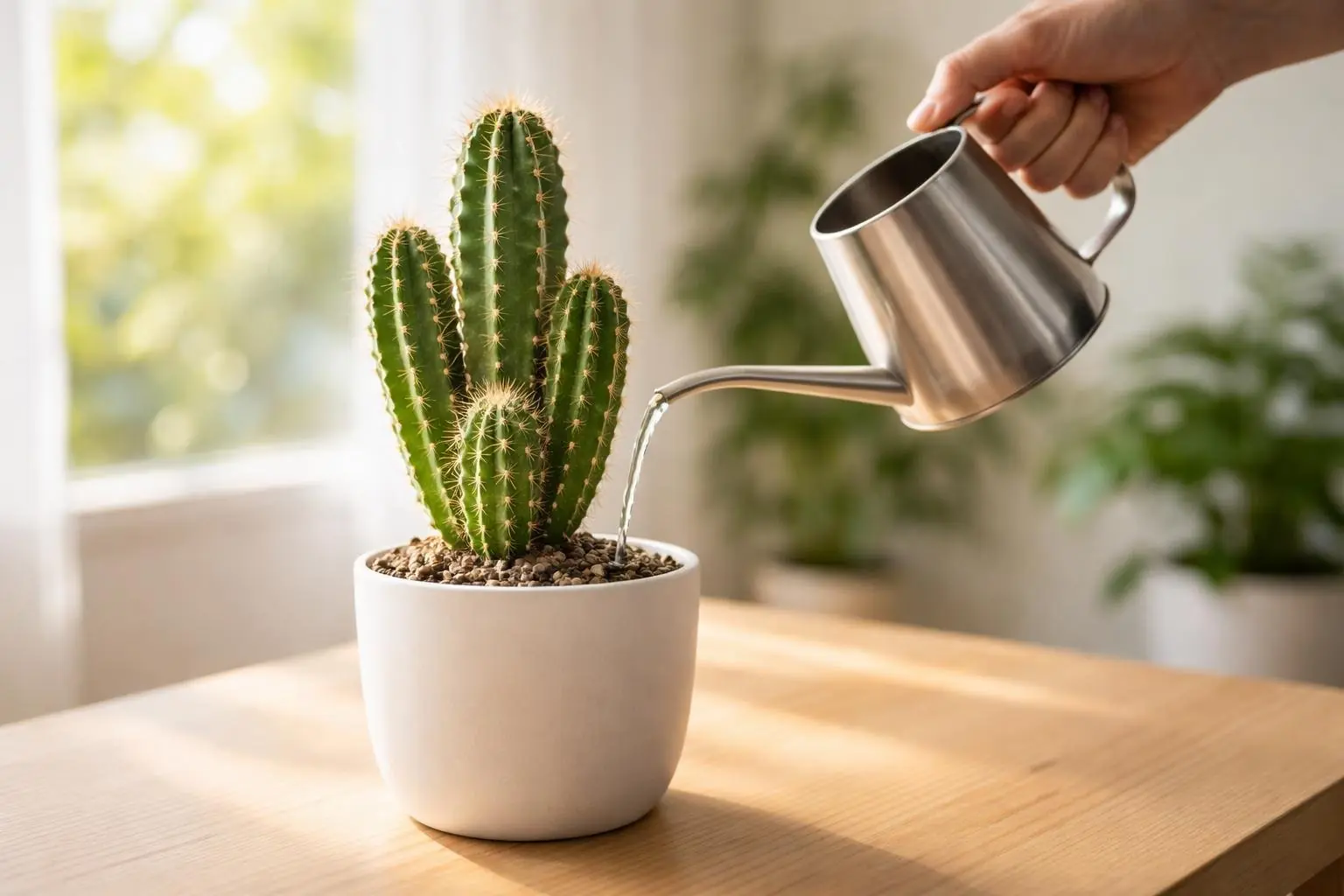
You should check soil moisture before watering and adjust by pot size, soil mix, light, and season. Aim for deep watering only after the potting mix has fully dried to the touch.
How often should you water a mini cactus kept indoors?
For a small potted cactus in typical indoor conditions (bright window, average home humidity), water about every 10–14 days during active growth if the top 1–2 inches (2.5–5 cm) of soil are dry. Use a thorough soak until water drains from the bottom, then let the pot dry completely before the next watering.
In cooler, lower-light months reduce watering to roughly every 4–6 weeks and check the soil before watering. If the cactus sits in a tiny pot or a denser soil mix, extend the interval because those conditions dry out faster or slower depending on the mix.
How often should you water a cactus during summer?
During summer when your cactus is actively growing and receiving strong light, water more frequently—typically every 7–14 days only after the soil has fully dried out. Larger pots and coarser, well-draining mixes can stretch the interval toward two weeks; small pots and richer mixes may need watering closer to weekly.
If the cactus is outdoors and receives rain, skip scheduled watering until the soil has dried; heavy or frequent rainfall significantly reduces the need for supplemental water.