15 Stunning Inground Pool Landscaping Ideas to Elevate Your Backyard Oasis
You want an inground pool that feels intentional and livable, not like an afterthought. This article shows 15 landscaping approaches that help you shape mood, privacy, and low-maintenance function around your pool so it fits your yard and lifestyle.
Explore planting, hardscape, and layout strategies from lawn and garden edges to terraces, gravel or rock beds, glass partitions, and tropical or woodland touches so you can pick ideas that match your vision and site constraints. The suggestions that follow focus on design fundamentals and plant placement to help you make choices that look good and work well.
Contents
- 1 1) Surround With A Lawn
- 2 2) Natural Pond Surroundings
- 3 3) Deck And Garden Combo (merged weak duplicates)
- 4 4) Edging Garden And Stepping Stones
- 5 5) Stone Fence Next To The Pool
- 6 6) Tiled Deck
- 7 7) Patio Next To The Pool
- 8 8) Terraced Patio
- 9 9) Gravel Garden
- 10 10) Mulch Garden
- 11 11) Rock Garden
- 12 12) Small Forest Surrounding
- 13 13) Wild Flower Touch
- 14 14) Glass Partition
- 15 15) Tropical Surroundings
- 16 Essential Design Principles
- 17 Plant Selection and Placement
- 18 Frequently Asked Questions:
1) Surround With A Lawn
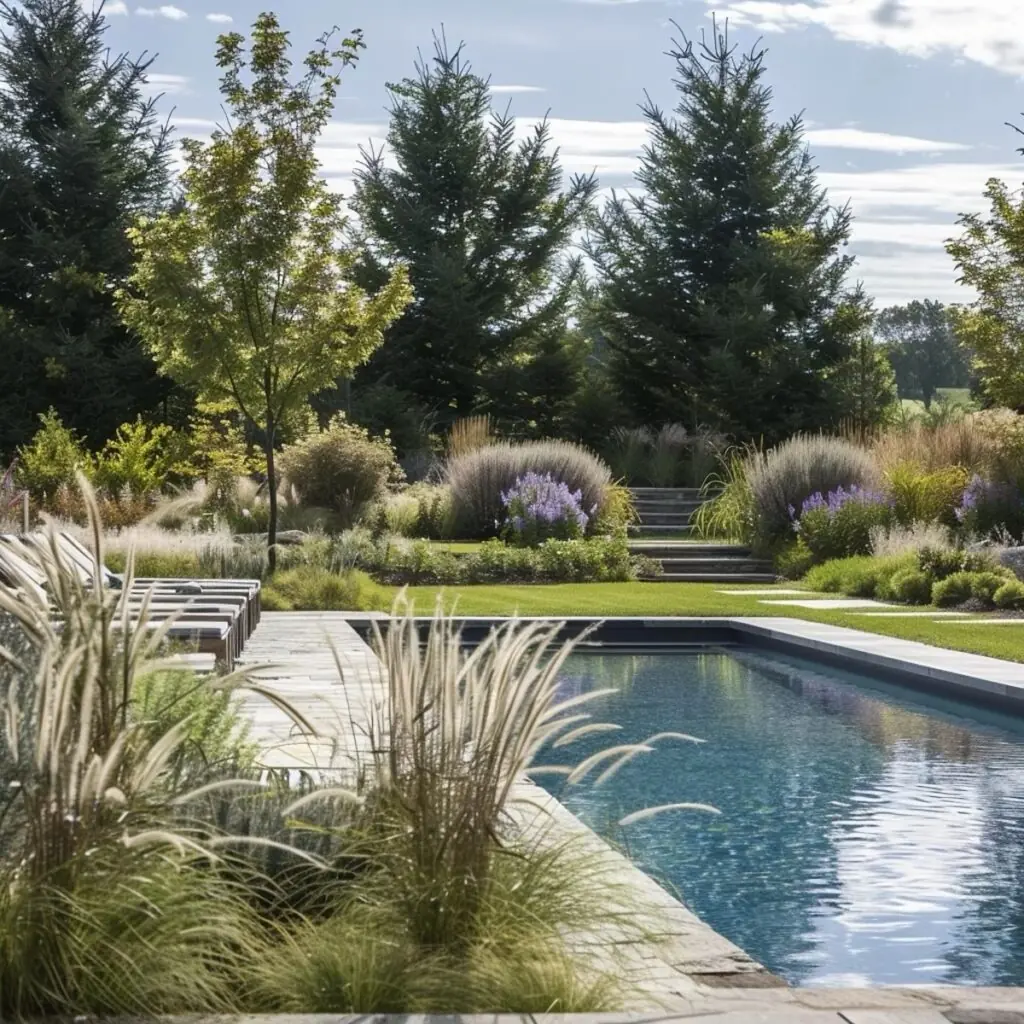
A lawn creates a soft, natural edge around your inground pool and visually extends your yard. You can choose natural turf for cooling comfort or artificial grass for low maintenance.
Keep grass trimmed and choose salt- or chlorine-tolerant varieties near the waterline. Add a narrow buffer of gravel or pavers to prevent soil erosion and simplify pool cleaning.
2) Natural Pond Surroundings
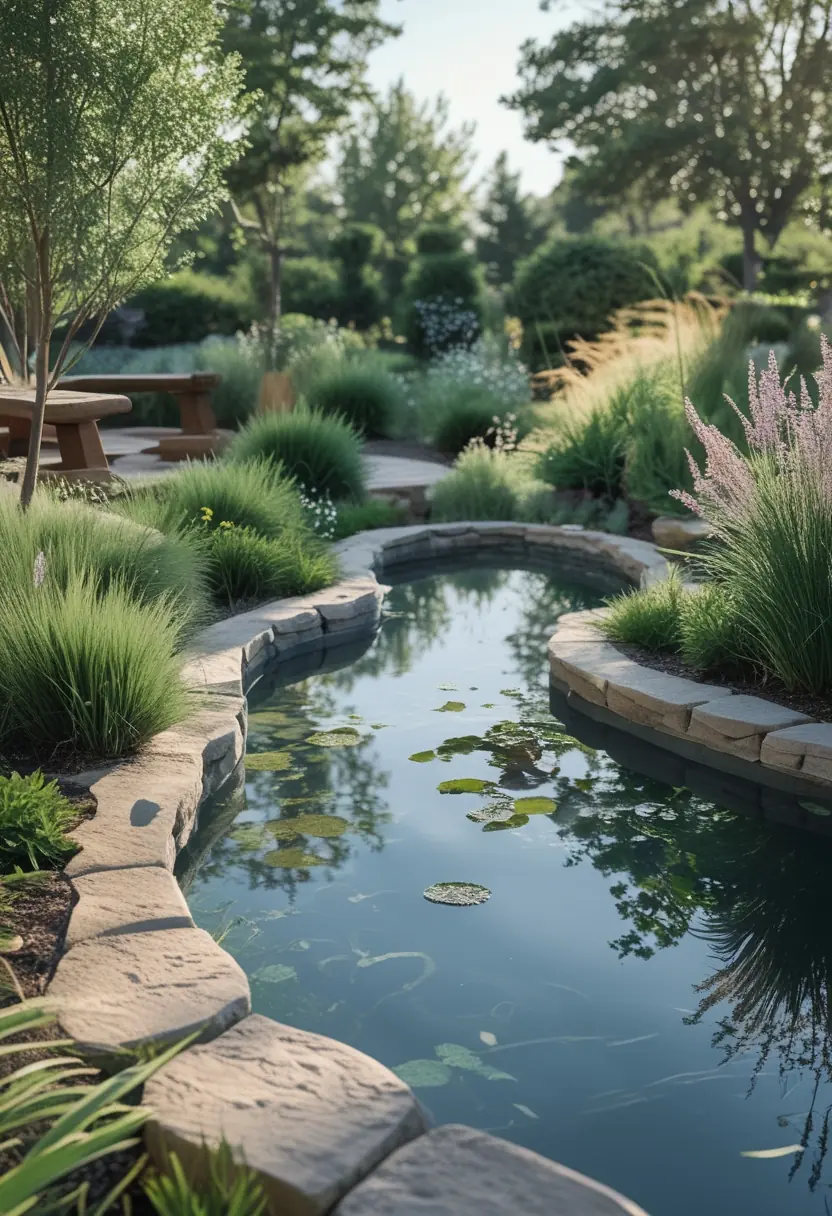
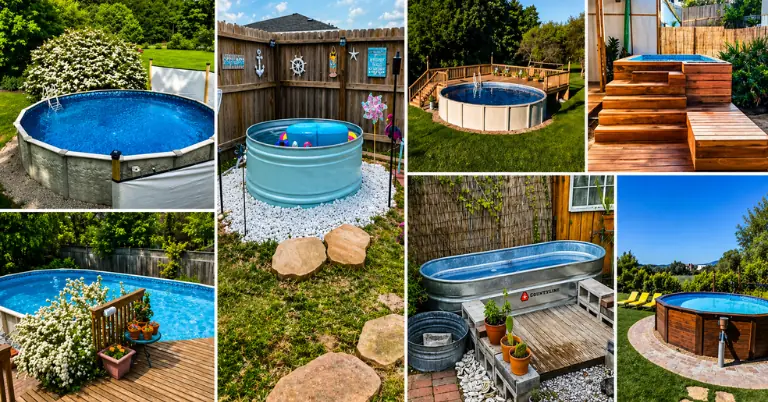
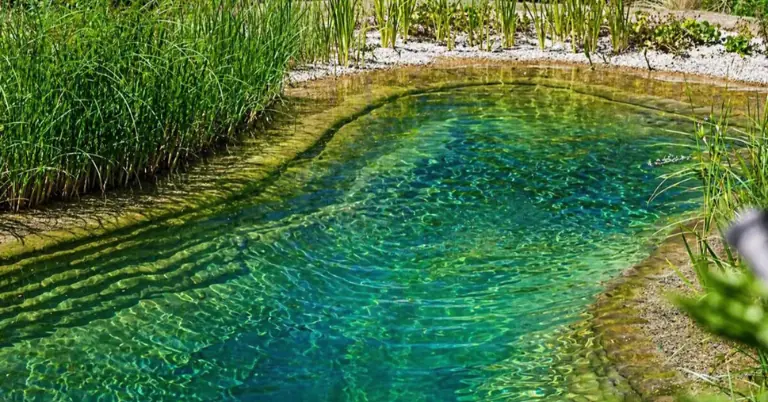
Give your inground pool a natural pond look by using irregular edges and native stone to soften the transition from water to landscape. You’ll create a relaxed, organic feel that blends with the rest of your yard.
Plant a mix of marginal aquatic plants, grasses, and low shrubs to add texture and attract wildlife. Choose species suited to your climate to minimize maintenance and support water health.
Add smooth stepping stones or a rustic wooden deck for access without breaking the natural aesthetic.
3) Deck And Garden Combo (merged weak duplicates)
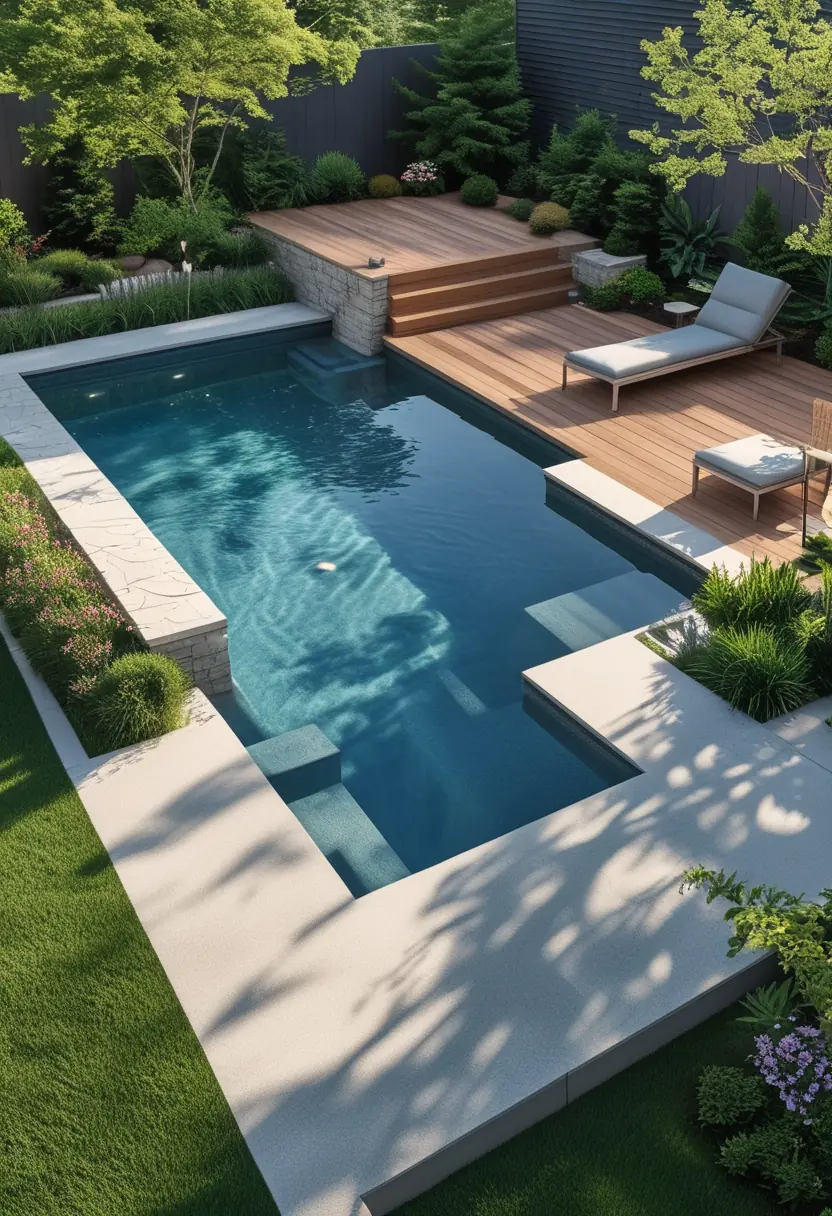
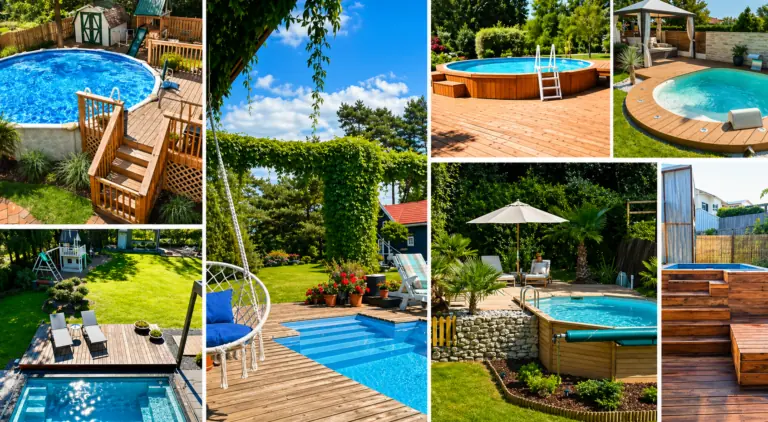
Pair a raised or flush deck with layered garden beds to create a smooth transition from hardscape to softscape. You get defined usable space for lounging while plants soften edges and add seasonal interest.
Choose low-maintenance shrubs and grasses near the pool for texture without heavy upkeep. Use planters or built-in beds on the deck to keep soil and moisture away from pool surfaces.
4) Edging Garden And Stepping Stones
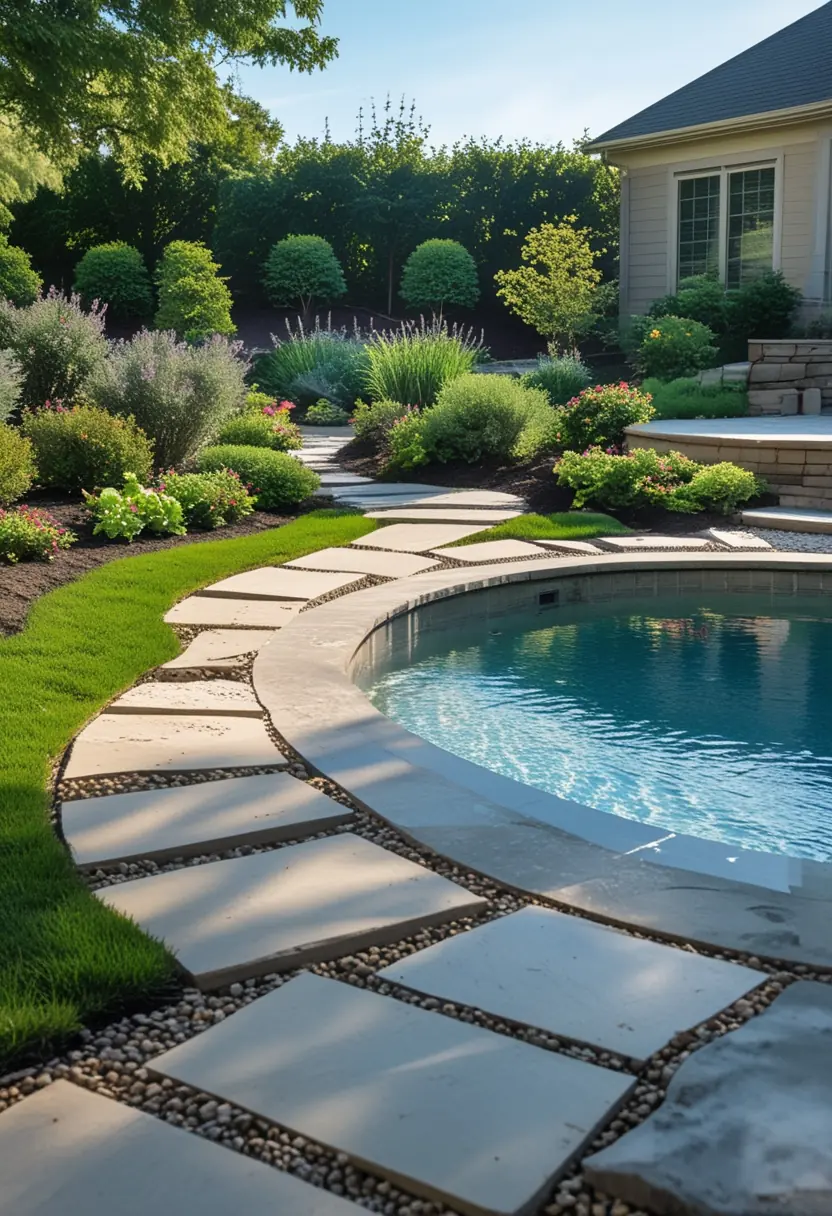
Choose edging materials that define the pool perimeter and control plant spread without blocking sightlines. Natural stone, pavers, or metal edging each resist pool chemicals and sit flush with surrounding deck surfaces.
Place stepping stones to create clear paths from patio to pool, using non-slip textures and consistent spacing. Integrate low groundcover or gravel between stones to reduce mud and soften the look.
5) Stone Fence Next To The Pool
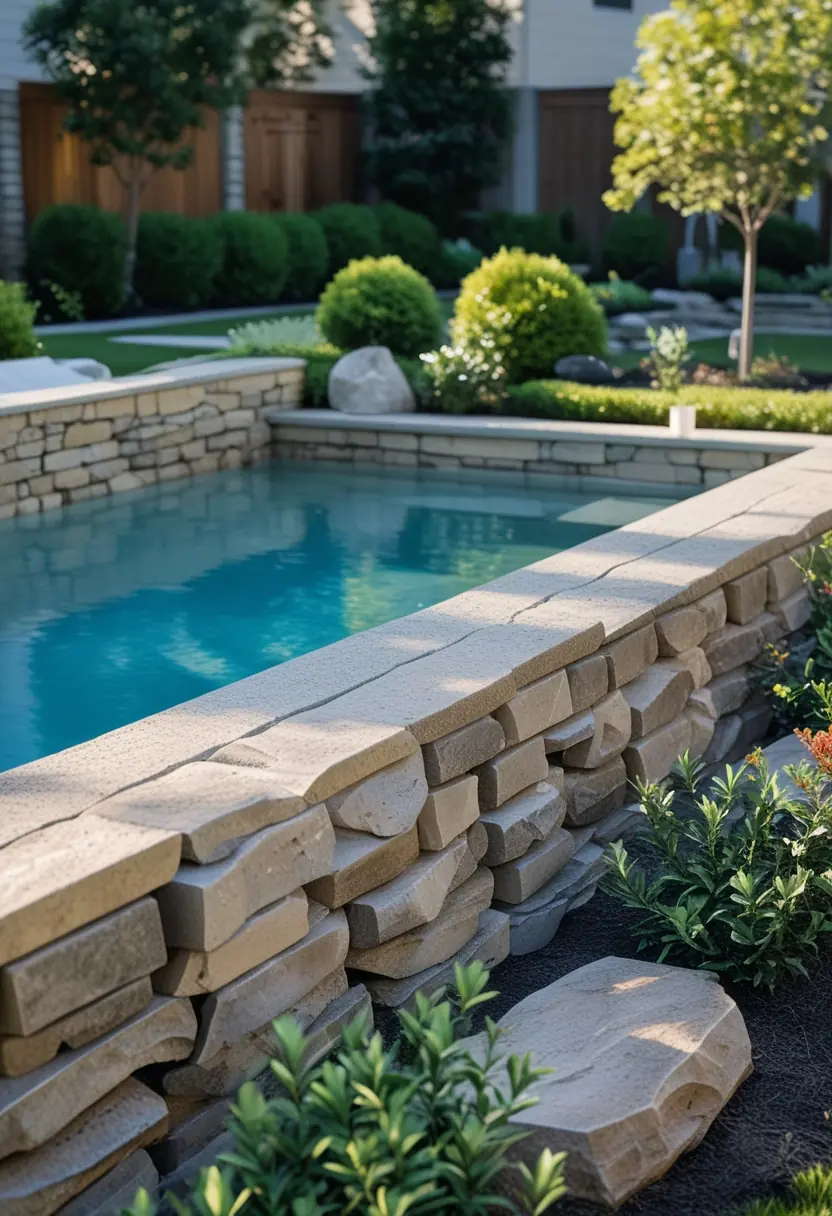
A stone fence adds durable, low-maintenance privacy and a natural aesthetic to your pool area. You can choose stacked stone for a rustic look or cut stone for cleaner lines.
Place the fence a few feet from the pool edge to allow planting beds or a narrow walkway. Combine with low lighting and drought-tolerant plants to soften the stone and improve nighttime safety.
6) Tiled Deck
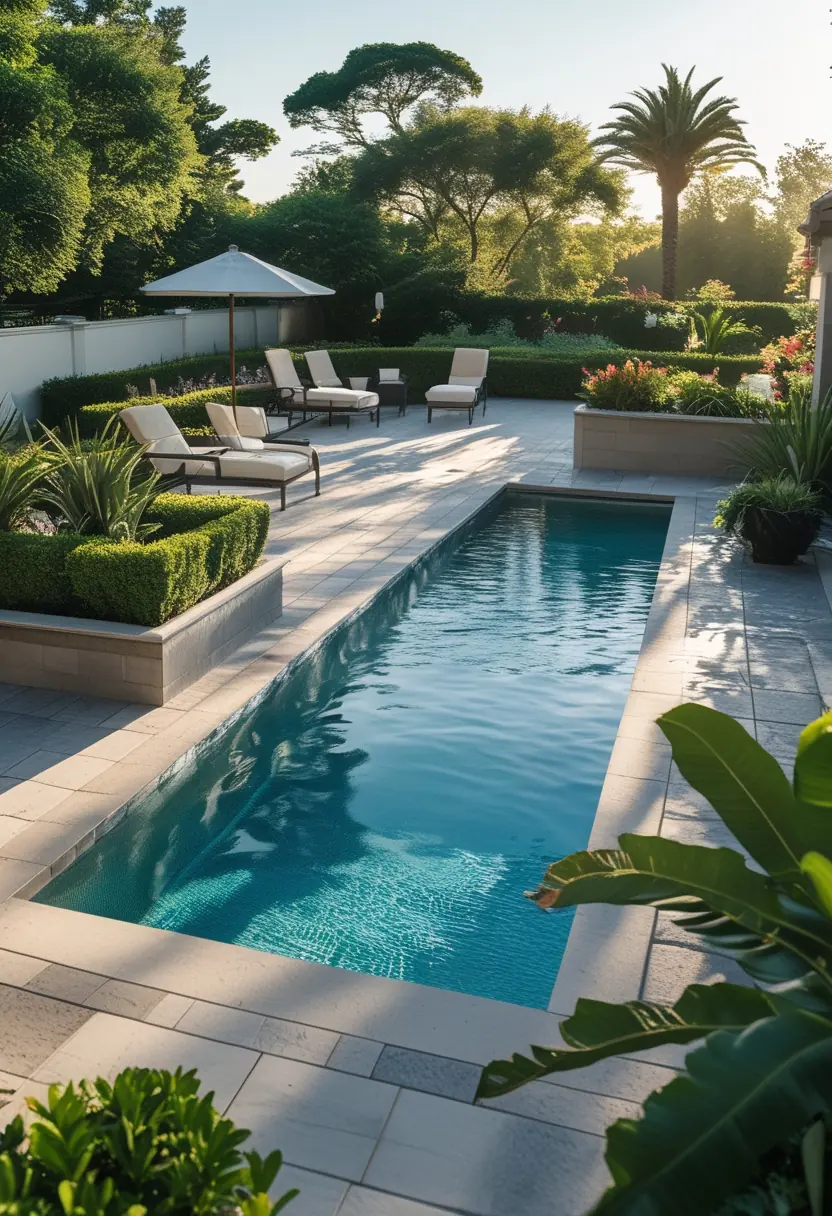
A tiled deck gives your pool a clean, finished look while offering durable, slip-resistant surfaces. Choose textured porcelain or natural stone tiles to balance safety and style.
You can use mosaic patterns or large-format tiles to set the mood—subtle tones for a modern feel or bold accents for contrast. Keep grout and tile maintenance in mind; proper sealing and regular cleaning preserve appearance and prevent slipping.
7) Patio Next To The Pool
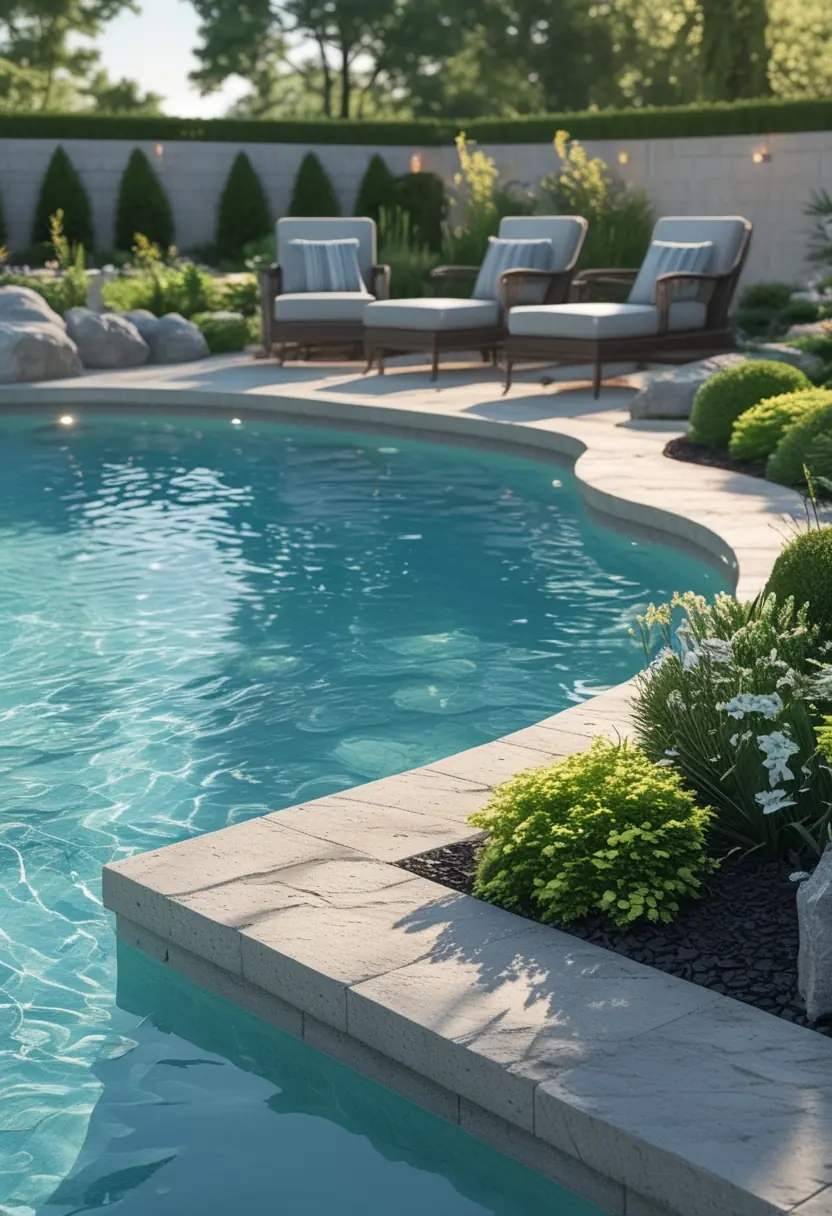
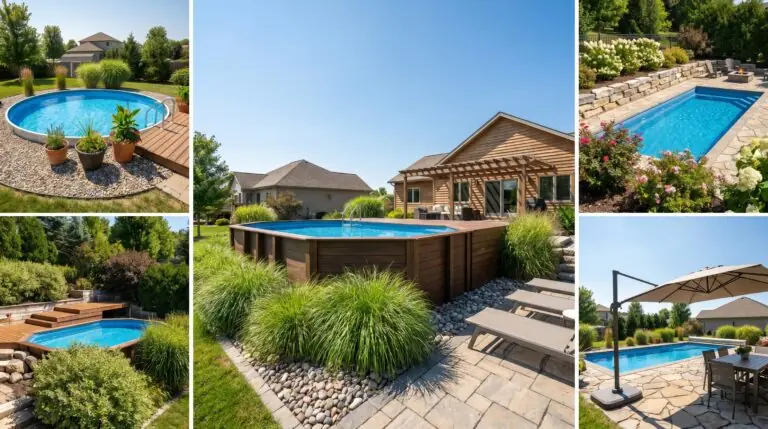
Position your patio close to the pool to create a seamless transition between lounging and swimming. Choose durable, slip-resistant materials like textured concrete, pavers, or natural stone for safety and low maintenance.
Add comfortable seating and a small dining area so you can entertain or relax without tracking water indoors. Include shade options an umbrella or pergola so your patio stays usable during hot afternoons.
8) Terraced Patio
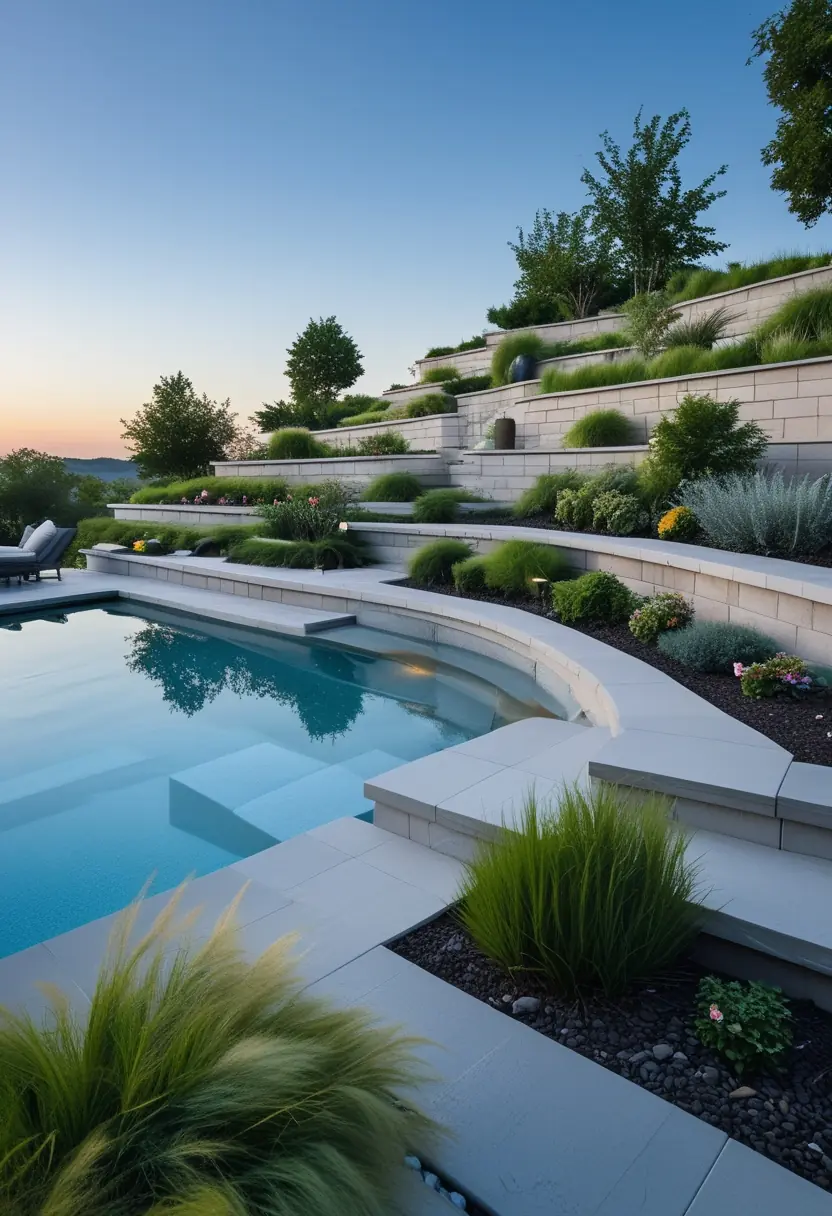
A terraced patio lets you shape sloped yards into usable poolside areas, giving each level a clear purpose like dining, lounging, or planting. You can use retaining walls, steps, and varied paving materials to create visual interest and safer circulation.
Terraces help control runoff and erosion around the pool while adding privacy with staggered hedges or planters. Plan lighting and railings for safe night use and choose low-maintenance materials that withstand pool chemistry.
9) Gravel Garden
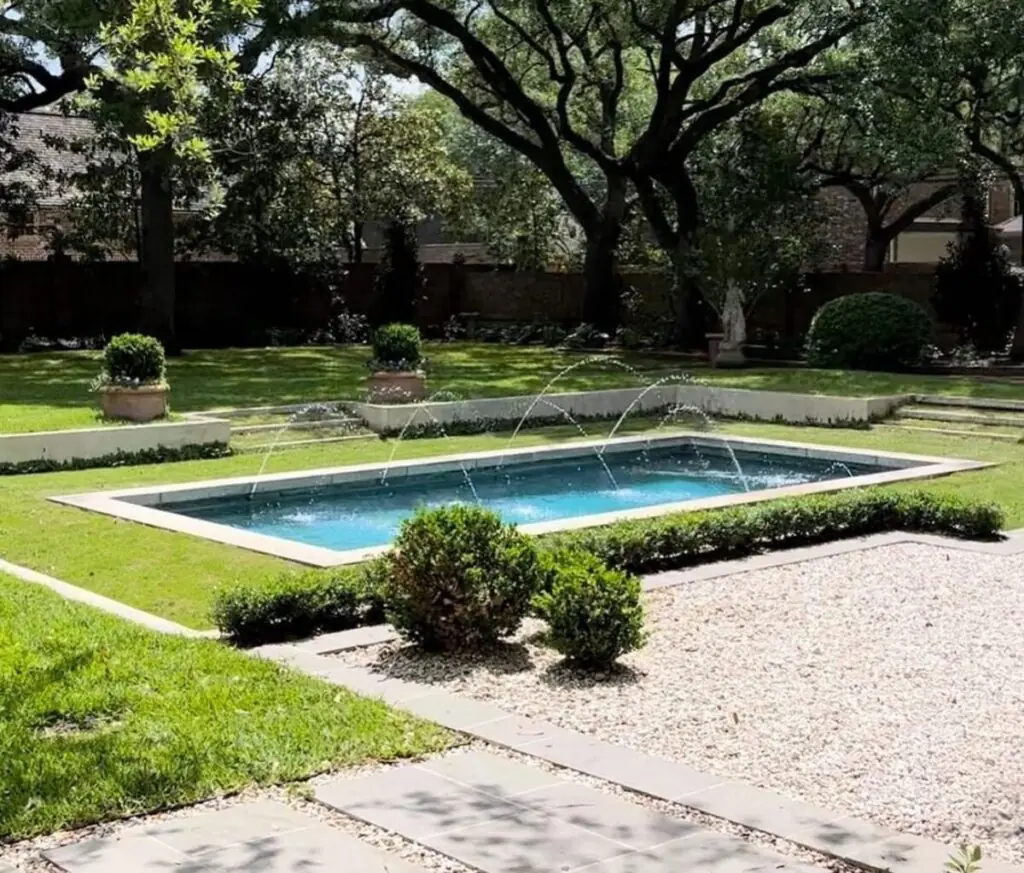
Use gravel to create a low-maintenance, drought-tolerant border that reduces mowing and watering near your pool.
Choose angular gravel for stability and finer pebble for barefoot areas; both drain well and resist weed growth.
Add a few hardy, low-profile plants like ornamental grasses or succulents for texture without blocking sightlines.
Keep a clear, swept edge between gravel and pool deck to prevent tracking and maintain a clean look.
10) Mulch Garden
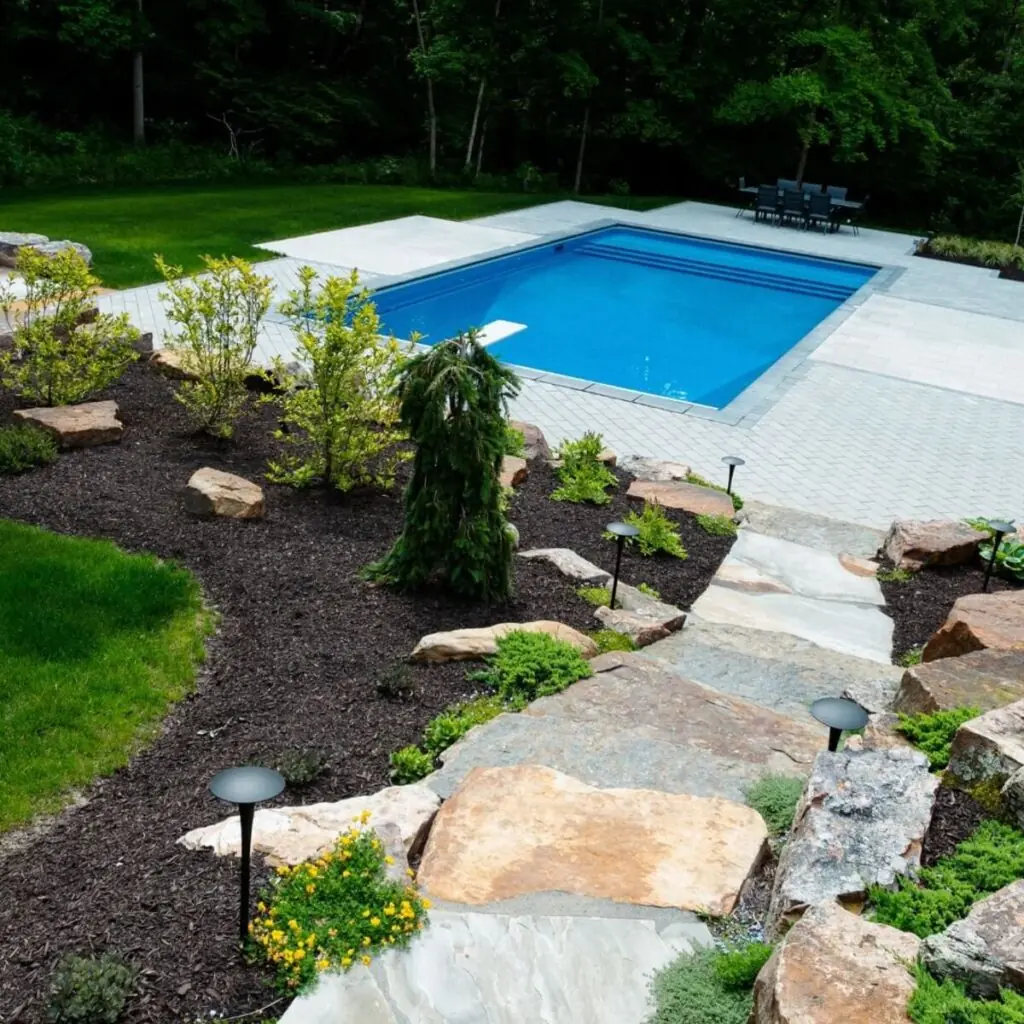
Use mulch beds around the pool to define planting zones and reduce maintenance. Mulch suppresses weeds, retains soil moisture, and keeps dirt off pool decks.
Choose types like shredded bark, cocoa mulch, or decorative gravel that resist floatation and complement your materials. Maintain a 2–3 inch layer and refresh annually to preserve appearance and function.
Place plants with low debris ornamental grasses or succulents so the pool stays cleaner and your landscape stays tidy.
11) Rock Garden
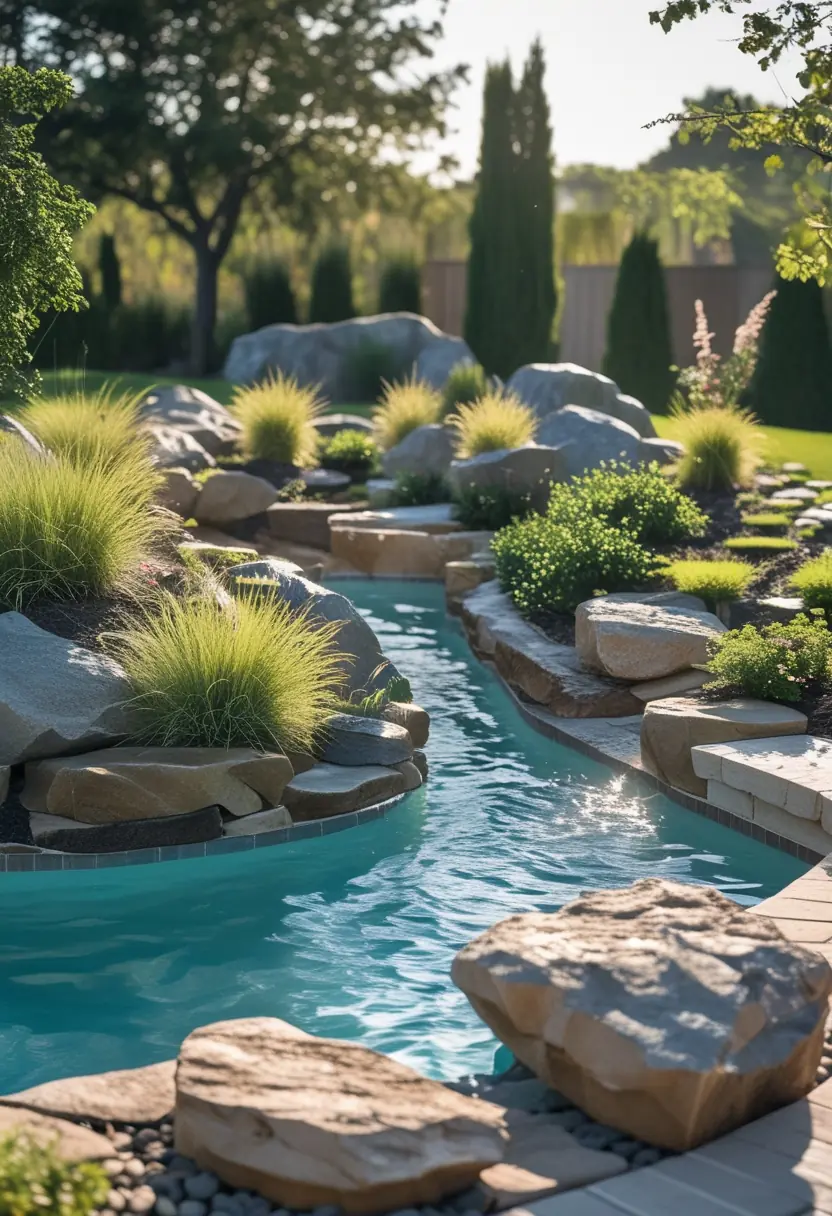
Use a rock garden to create a low-maintenance, textured edge around your inground pool. Mix sizes pebbles for walking areas, larger boulders for focal points to add visual interest without clutter.
Select drought-tolerant plants like succulents and ornamental grasses to thrive between stones and reduce watering. Arrange rocks to channel runoff away from the pool and prevent erosion while maintaining a natural look.
12) Small Forest Surrounding
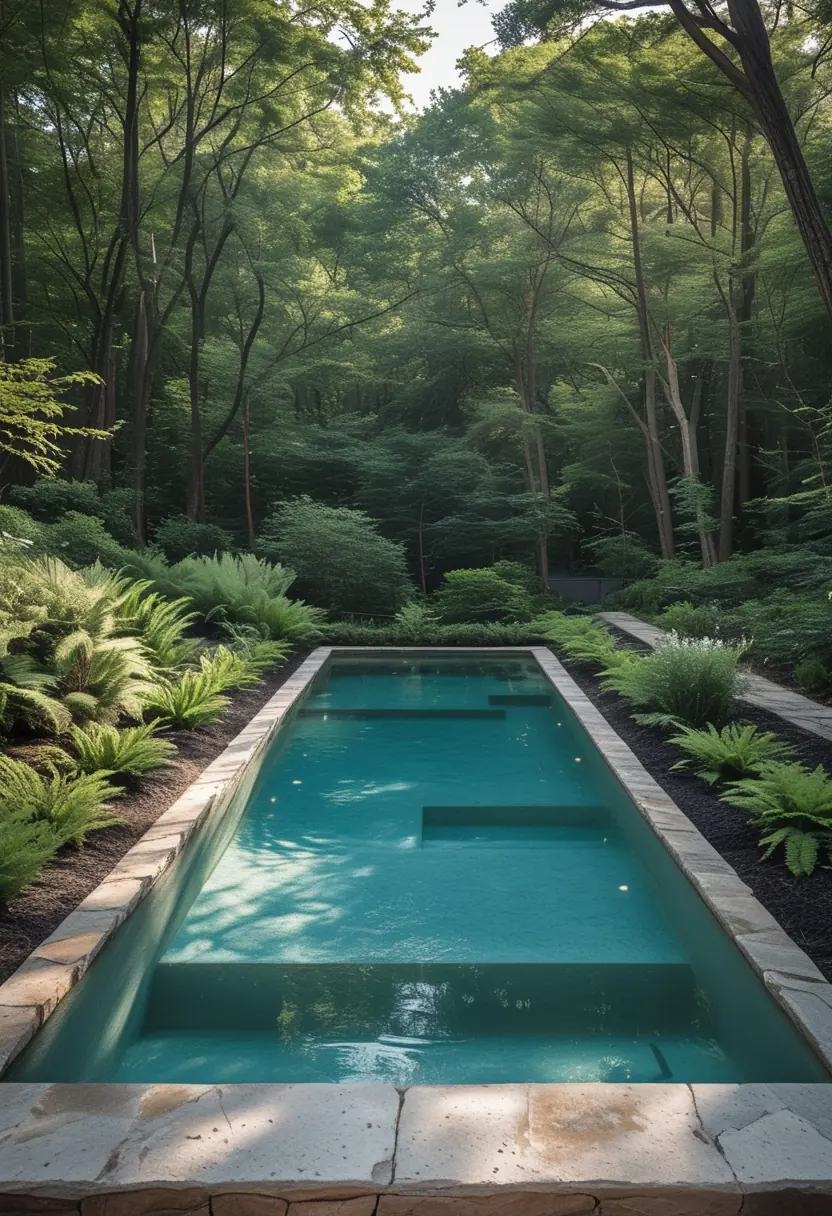
Create a small forest edge with layered plantings of small trees, understory shrubs, and ferns to frame your pool without blocking light. Choose native or well-adapted trees for lower maintenance and clearer roots to protect the pool structure.
Place paths or stepping stones through the planting to invite exploration and keep wet feet off mulch. Use evergreens and seasonal bloomers for year-round texture and subtle privacy.
13) Wild Flower Touch
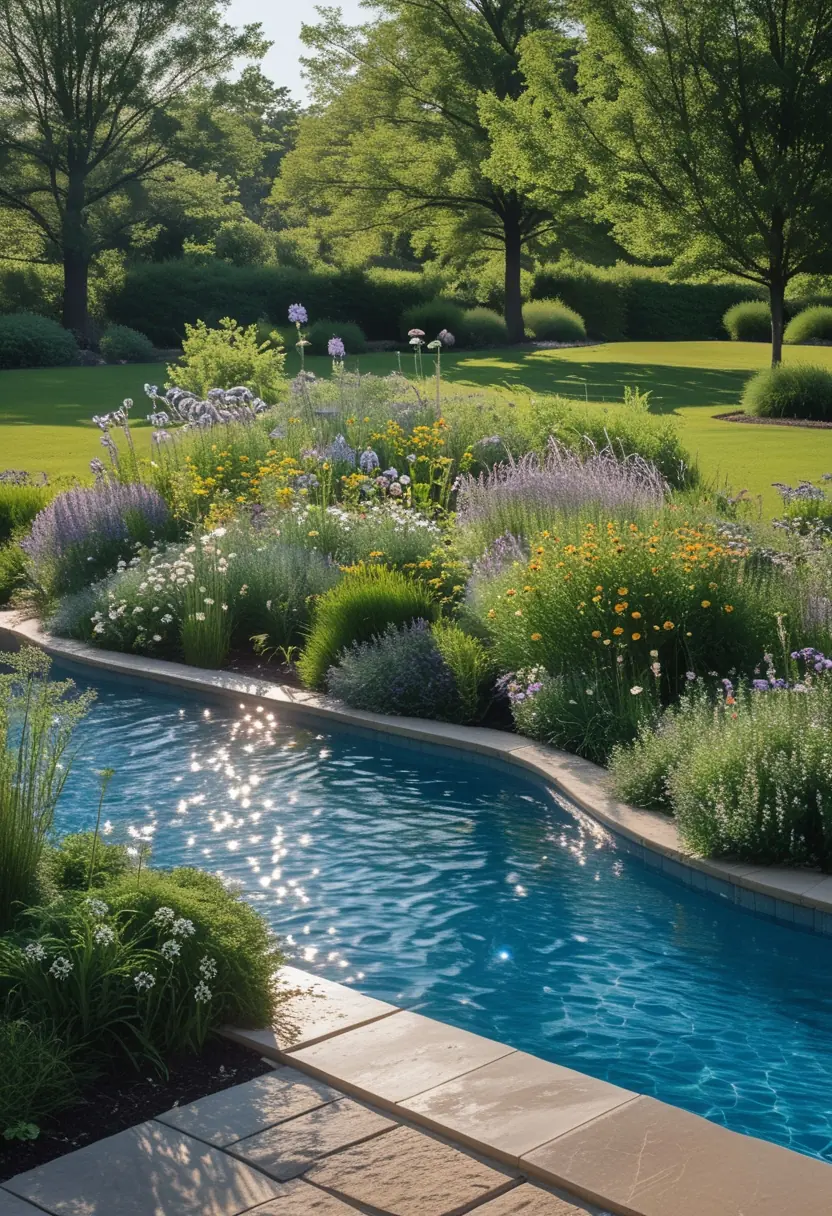
Add pockets of native wildflowers around your pool to soften hard edges and attract pollinators.
Choose low-maintenance species suited to your climate so they thrive with minimal care.
Plant in drifts or along pathways to create a casual, natural look that contrasts with pool geometry.
Keep blooms away from decking joints to reduce debris in the water and make maintenance easier.
14) Glass Partition
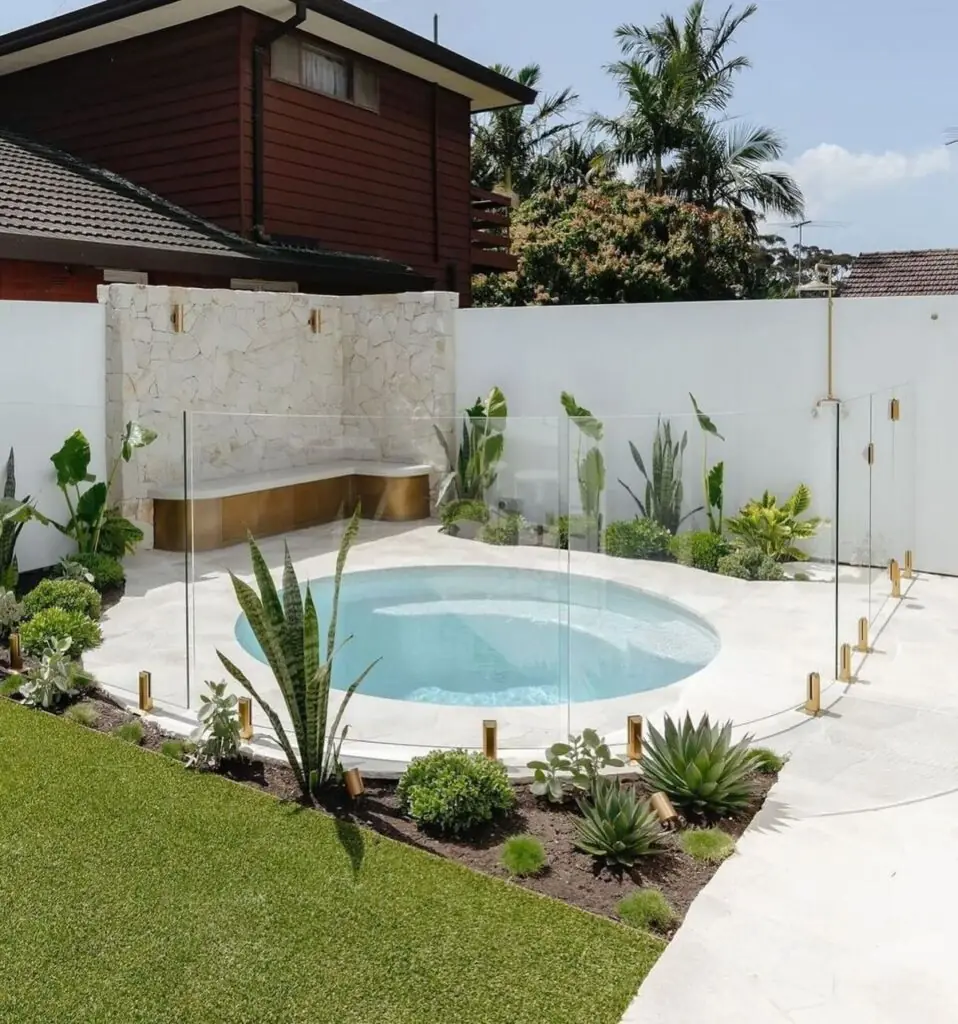
A glass partition preserves sightlines so your pool remains the visual centerpiece of your yard. You get safety without blocking views, and the transparency helps small spaces feel larger.
Choose tempered or laminated safety glass and budget for professional installation to meet local codes. Frames can be minimal stainless steel or frameless for a sleek, modern look that pairs well with stone or timber decking.
15) Tropical Surroundings
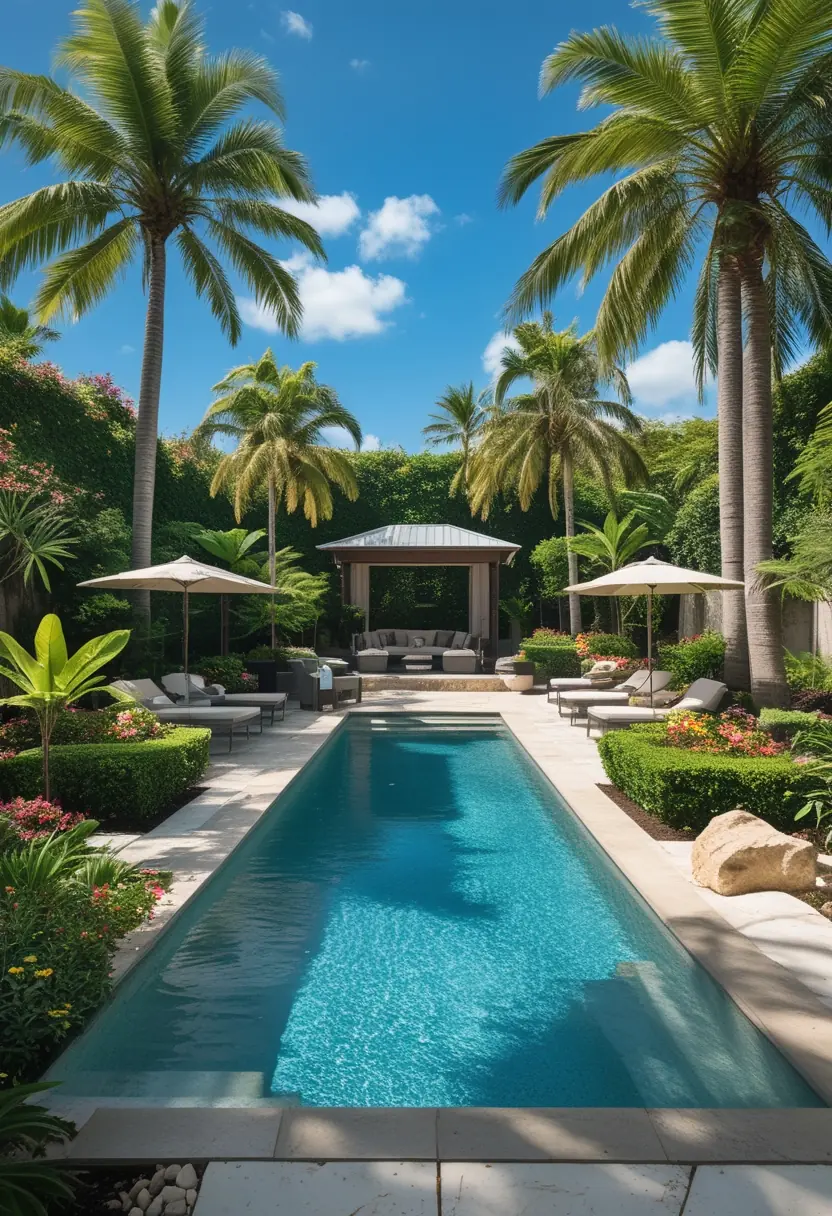
Bring lush, layered planting around your pool with palms, bird of paradise, and broad-leafed philodendrons to create a warm, tropical feel.
Position taller specimens at the perimeter for privacy and smaller, colorful plants near seating areas to soften edges.
Add textured materials like natural stone and bamboo accents to reinforce the island vibe without overwhelming maintenance.
Use strategic lighting and low-maintenance shrubs so your tropical landscape looks inviting day and night.
Essential Design Principles
Balance practical needs with visual harmony: pick materials that hold up to pool chemicals and barefoot traffic, and choose colors that reduce glare, hide stains, and tie the pool into your home’s palette.
Choosing Complementary Materials
Select decking that resists slipping and heat buildup. Porcelain pavers, cool-touch concrete, and textured travertine perform well; test samples barefoot in sunlight before deciding. Consider maintenance: natural stone may require sealing, while concrete can stain and need periodic sealing or resurfacing.
Match hardscape scale to yard size. Large-format pavers suit wide terraces; smaller modular pavers work for tight patios and curved edges. Use a durable, permeable base to prevent settling and allow runoff.
Coordinate plant beds and edging materials to prevent soil and mulch washing into the pool. Choose metal or stone edging that creates a clean transition and holds mulch in place. Anchor rails and steps into materials rated for poolside use to avoid corrosion.
Integrating Cohesive Color Schemes
Start with three core colors: pool water tone, decking, and primary planting mass. For water, lighter pool finishes (sky blue or white) increase brightness; darker finishes deepen color but show debris. Match decking hue to house trim or outdoor furniture for visual continuity.
Use accents sparingly to guide the eye. A single bold tile band, painted fence, or coordinated cushion color unifies disparate elements without overwhelming the space. Limit high-contrast combos near loungers to avoid glare and visual fatigue.
Consider seasonal plant color and hardscape aging. Choose materials whose tones will still work when wood weathers or stone patinas. Create a simple swatch board—three samples each of decking, tile, and foliage—to verify how they read together in natural light.
Plant Selection and Placement
Choose plants that tolerate pool splash, resist root damage, and fit the microclimate around your pool. Prioritize species with low leaf litter, noninvasive roots, and heights that match screening or sightlines you want.
Low-Maintenance Options
Select plants with slow growth and minimal leaf drop to reduce skimming and filtration work. Good choices include dwarf mondo grass, Russian sage, lavender, and ornamental grasses like blue fescue. These plants require occasional pruning and little fertilizer.
Use containers for herbs (rosemary, thyme) and small palms so you can move them and avoid root intrusion. Mulch beds with crushed rock or coarse bark to suppress weeds and reduce splashing soil into the pool. Group plants with similar water needs and put drought-tolerant species at the pool perimeter where irrigation is light.
Privacy and Shade Solutions
For screening, choose columnar or clipped hedges such as Italian cypress, emerald arborvitae, or clipped boxwood to create a tidy vertical barrier without invasive roots. Plant them at least 6–8 feet from the pool edge to keep roots away from decking and circulation lines.
Integrate shade trees selectively: small-maturing trees like Japanese maple or crape myrtle provide canopy without heavy litter. Place trees where their dripline won’t drop directly into the pool and use root barriers on species prone to aggressive roots. Combine shrubs and taller grasses for layered privacy that still allows airflow.
Frequently Asked Questions:
How do I landscape around an inground pool on a budget?
Use affordable options like mulch, gravel, simple pavers, lawn borders, and native plants to create an attractive pool landscape without overspending.
What plants work best around an inground pool?
Low-litter plants like ornamental grasses, succulents, lavender, and boxwood work best because they add beauty without creating extra pool debris.
How can I make my inground pool area look more luxurious?
Add natural stone, layered lighting, tropical plants, stylish furniture, and clean design lines for a more upscale backyard feel.